A car wrap typically lasts between 3 and 7 years. How long car wrap lasts in real-world conditions depends on the vinyl quality, your climate, sun exposure, and how consistently you maintain it. If you're exploring options in the automotive category and weighing a wrap against a new paint job, this guide gives you everything you need to decide.
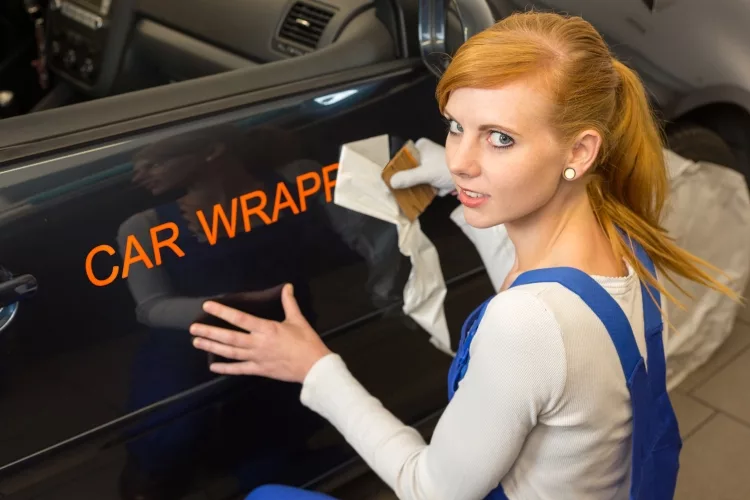
Vinyl wraps have become one of the most popular ways to change a vehicle's look without touching the original paint. They're used on everything from daily drivers to exotic sports cars. But they come with real costs, real limitations, and a lifespan that varies a lot based on how they're treated.
This guide walks you through what a wrap costs, what shortens or extends its life, the honest pros and cons, whether to DIY or hire a pro, and what tools and materials are actually involved. By the end, you'll know exactly where you stand.
Contents
Cost is usually the first question people ask — and rightfully so. A full professional wrap on an average sedan runs $2,000 to $5,000. SUVs and trucks push that figure higher. Partial wraps covering just the hood, roof, or mirrors cost significantly less and are a popular middle ground.
Here's a general breakdown of what to expect based on vehicle size and coverage level:
| Vehicle Type | Partial Wrap | Full Wrap (Standard) | Full Wrap (Premium) |
|---|---|---|---|
| Compact / Sedan | $500–$1,200 | $2,000–$3,500 | $3,500–$5,000 |
| Midsize SUV | $700–$1,500 | $3,000–$4,500 | $4,500–$6,500 |
| Full-Size Truck / Van | $900–$2,000 | $4,000–$6,000 | $6,000–$8,000+ |
| Sports / Exotic Car | $1,000–$2,500 | $4,000–$7,000 | $7,000–$10,000+ |
Several things shift that final quote:
A low-priced wrap installed poorly may peel within a year or two. Paying a bit more upfront for a skilled installer often means you reach that upper end of the lifespan range instead of the lower one.
Most quality wraps from brands like 3M or Avery Dennison are rated for 5 to 7 years. Budget films may only last 2 to 3 years. Your real-world results land somewhere on that spectrum depending on how you treat the wrap and where you live.
According to Wikipedia's overview of vehicle wrapping, vinyl film was originally developed for commercial fleet graphics in the 1990s before crossing over to personal vehicles — which is why commercial-grade cast films still outperform most consumer budget options.
You don't need to wait for the calendar to tell you a wrap is finished. Watch for these warning signs:
When it's time to remove the wrap, a well-installed film over healthy paint should peel cleanly. If the underlying paint was already compromised, removal can sometimes pull it along. Surface prep before installation is what prevents this outcome. If you're dealing with paint issues underneath, see our guide on how to get paint off your car before any wrap goes on.
A wrap isn't the right move for every situation. Before you commit, weigh what you're actually gaining against what you're giving up.
This decision shapes the entire experience. Both routes are legitimate — but they're not equally suited to every person or every project.
If you're new to wrapping, start small. A full vehicle wrap as your first project almost always ends in wasted film and frustration. Here's what beginners can reasonably take on:
For a first-time full wrap attempt, budget for extra film — at least 20 to 30 percent more than the square footage you need. Mistakes happen, and vinyl doesn't forgive a bad stick easily.
Some situations clearly call for a certified installer:
Look for installers certified by 3M or Avery Dennison. Their training is film-specific, and their work typically includes a short warranty on installation defects — something a DIY project can't offer.
Whether you're planning a DIY project or just want to understand what's involved, here's a rundown of what actually goes into a wrap job.
You don't need a professional shop to handle basic panels, but you do need the right gear:
Not all vinyl is equal, and the type you choose directly affects how long your wrap lasts:
The general rule: buy cast vinyl from a reputable brand, even at a higher per-foot cost. Many budget "cast" films are actually calendered vinyl in thinner packaging — they won't hold up, and you'll be replacing the wrap sooner than expected.
Most quality car wraps last between 3 and 7 years. Cast vinyl films from established brands like 3M or Avery Dennison tend to reach the upper end of that range when properly maintained and kept out of direct sun when not in use. Budget or calendered films typically last 2 to 3 years under the same conditions.
A car wrap should not damage paint that's in good condition before installation. The vinyl actually shields the original paint from UV rays and minor surface abrasion. Damage can occur if the underlying paint was already failing — peeling, chipping, or poorly adhered — before the wrap went on. Surface prep before installation is key to a clean removal later.
Touchless car washes are generally safe for wrapped vehicles. Automated brush-style car washes are not recommended — the stiff bristles can catch and lift wrap edges, especially at seams and corners. Hand washing with a mild soap and a soft microfiber mitt is the safest and most wrap-friendly option for regular cleaning.
Climate plays a significant role in wrap longevity. Vehicles in hot, sunny regions experience faster fading, cracking, and adhesive breakdown compared to those in cooler or more temperate climates. Extreme cold can make vinyl brittle and prone to cracking at panel edges. Parking in a garage or under a covered carport extends wrap life noticeably regardless of your climate zone.
For color changes and custom finishes, wrapping is often less expensive than a comparable high-quality paint job. A professional full wrap typically runs $2,000 to $6,000 depending on vehicle size and film type. A quality custom paint job often costs $3,000 to $10,000 or more. Wraps require eventual replacement while paint is permanent, so long-term value depends largely on how often you want to refresh the look.
Yes, though your expectations need to match your skill level. Wrapping small, flat panels like mirror caps or a single door is manageable for beginners with the right tools. Full vehicle wraps involve complex curves, precise cuts, and heat-forming techniques that take real practice to execute cleanly. Most first-timers who attempt a full DIY wrap use significantly more material than expected due to mistakes and repositioning.
As a wrap ages, you'll see fading, lifting edges, cracking, or persistent bubbling. At that point it's time to remove and replace it. A properly installed wrap on healthy paint should peel off cleanly in large sections. Wraps that have been left on past their prime — or were installed over compromised paint — can be significantly harder to remove and may require adhesive remover and additional labor.
Now that you have a clear picture of how long car wrap lasts and what it takes to protect your investment, the best next step is to get quotes from two or three certified installers in your area — ask to see their portfolio and specifically ask which vinyl brands they use. A quality wrap done right is one of the most satisfying upgrades you can make to a vehicle, offering a fresh look, real paint protection, and the flexibility to change it again down the road.


About Mike Constanza
For years, Mike had always told everyone "no other sport like baseball." True to his word, he keeps diligently collecting baseball-related stuff: cards, hats, jerseys, photos, signatures, hangers, shorts (you name it); especially anything related to the legendary player Jim Bouton.Mike honorably received Bachelor of Science degree in Business Administration from University of Phoenix. In his graduation speech, he went on and on about baseball... until his best friend, James, signaled him to shut it.He then worked for a domain registrar in Phoenix, AZ; speciallizng in auction services. One day at work, he saw the site JimBouton.com pop on the for-sale list. Mike held his breath until decided to blow all of his savings for it.Here we are; the site is where Mike expresses passion to the world. And certainly, he would try diversing it to various areas rather than just baseball.
You can get FREE Gifts. Or latest Free phones here.
Disable Ad block to reveal all the info. Once done, hit a button below
 im
im