What separates a good baseball career from an unforgettable baseball life? For anyone diving into the Jim Bouton baseball biography, the answer is one controversial diary, one groundbreaking book, and a lifetime of refusing to apologize. Bouton pitched for the New York Yankees at their dynasty peak, watched his fastball disappear almost overnight, clawed back to the majors with a knuckleball, and then wrote Ball Four — the memoir that cracked open professional sports like nothing before it. This post covers the real story: the myths surrounding his career, the fallout from the book, his career numbers, and the influence he left behind. Fans who appreciate the crossroads of sports and creative expression will find that Bouton's story connects naturally to topics explored across this site's arts and hobbies section.
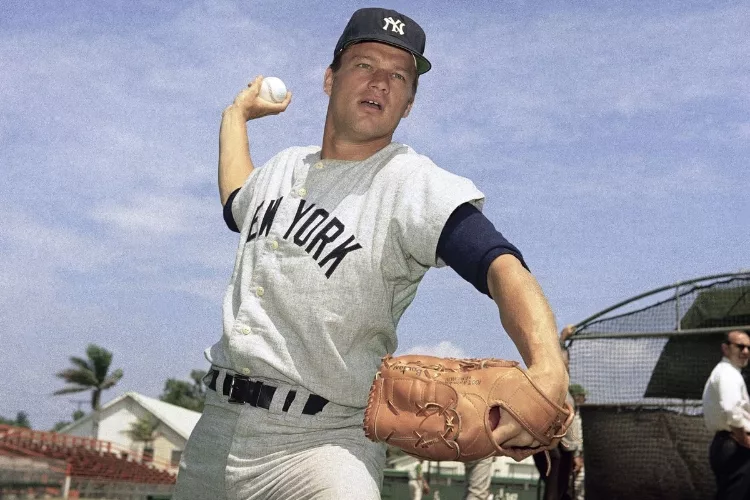
Jim Bouton was born on March 8, 1939, in Newark, New Jersey. He rose quickly through the Yankees system and became one of the most exciting young right-handers in the American League by 1963. His arm broke down not long after — a collapse that would have ended most careers permanently. Instead, Bouton learned the knuckleball, ground through the minor leagues, and earned a spot with the expansion Seattle Pilots in 1969. He kept a daily diary that season. That diary became Ball Four. According to his Wikipedia biography, Commissioner Bowie Kuhn personally summoned Bouton to demand a retraction after publication. Bouton declined.
The book sold millions of copies and permanently altered the relationship between professional sports and the press. It also effectively ended Bouton's playing career at 31. What came next — Big League Chew, TV work, film roles, continued writing, community activism — is a second act that most athletes never attempt. The dedicated post on Ball Four: The Final Pitch goes deeper into the book's contents and publishing history for readers who want the complete picture.
Contents
The Jim Bouton baseball biography has collected plenty of myths over the decades. Some assume he was a mediocre pitcher who got lucky writing a book. Others believe the backlash from Ball Four destroyed him personally and professionally. Neither version holds up when measured against the actual record.
Here is what actually happened to Bouton's fastball — not the simplified version:
This comeback arc is what gives the biography its texture. Bouton did not accept that his story was over. He rebuilt from scratch and then documented the whole messy, funny, painful process in a diary format nobody had attempted in professional sports before.
Pro insight: The knuckleball is one of the only pitching recoveries that works even with a dead arm — it relies on grip and release, not velocity. Athletes interested in building grip and wrist strength can explore options like those reviewed in the best gyro balls for wrist and grip strength guide.
The short answer: informally, yes. The detailed answer requires more nuance.
The blacklisting was real, even without a formal policy. Baseball's old guard made sure Bouton understood the price of honesty.
No version of the Jim Bouton baseball biography is complete without confronting Ball Four directly. The book was not gossip. It was a first-person, contemporaneous diary that gave readers something they had never had before: an unfiltered look inside a professional locker room from someone who actually lived there.
Before 1970, sports memoirs followed a strict hero narrative. Bouton ignored it entirely. Ball Four documented:
None of it was fabricated. Bouton kept a daily journal and reported what he witnessed. The scandal was never the writing — it was the reality it put on the page.
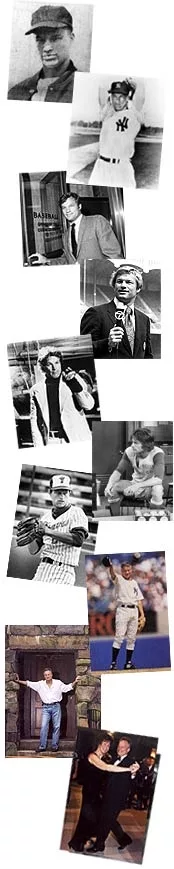
Bouton co-invented Big League Chew — the shredded bubble gum that became a dugout staple — after his playing days ended. It is a detail that rarely appears in quick summaries but reveals something essential about who he was: someone who kept building after the spotlight moved on. Baseball fans who want to experience the game from the best vantage point can check out the guide to the best baseball seats for stadium recommendations worth bookmarking.
Reactions fell into three clear camps:
Warning: Anyone picking up Ball Four expecting an inspiring sports memoir will be caught off guard — this is a frank, funny, and sometimes uncomfortable look at the gap between how baseball presents itself and how it actually operates.
Understanding the Jim Bouton baseball biography means understanding the real trade-offs he made. His candor came with professional consequences that lasted decades. It also came with a legacy that outlasted most of his contemporaries' entire careers.
Sports fans who appreciate comeback stories rooted in genuine grit — not manufactured drama — will find Bouton's arc more compelling than most. The same competitive spirit that drives athletes also drives hobbyists and enthusiasts, from readers who explore the best Nerf football options to those who dig deep into niche sports history.
Bouton's on-field numbers are frequently overlooked because the book overshadows everything. Here is a clear summary of his career arc:
| Season | Team | W-L Record | ERA | Notable |
|---|---|---|---|---|
| 1962 | New York Yankees | 7-7 | 3.99 | MLB debut season |
| 1963 | New York Yankees | 21-7 | 2.53 | All-Star; peak season |
| 1964 | New York Yankees | 18-13 | 3.02 | World Series appearance |
| 1965–1968 | Yankees / minors | 5-7 | 4.80+ | Arm breakdown; knuckleball transition |
| 1969 | Seattle Pilots / Houston Astros | 2-10 | 3.91 | Ball Four diary year |
| 1978 | Atlanta Braves | 1-3 | 4.97 | Final comeback at age 39 |
The 1963–1964 peak reflects a genuinely elite pitcher. The collapse and knuckleball comeback make the biography worth telling. The full career spans just over a decade of active MLB time, but its cultural impact has stretched for more than fifty years.
Decades after publication, the Jim Bouton baseball biography remains a reference point for anyone thinking seriously about athlete honesty, sports media, and the human cost of telling the truth in a business built on image.
Before Ball Four, beat reporters operated under a strict unwritten rule — what happened in the clubhouse stayed in the clubhouse. Bouton dismantled that arrangement almost single-handedly:
The book also accelerated the conversation around the reserve clause — the rule that kept players bound to one team indefinitely without the right to negotiate freely. Within five years of publication, players had won free agency. Bouton was not the only voice, but he was among the loudest and the most read.
Bouton built a second life that had nothing to do with his earned run average:
Bouton died on July 10, 2019, at age 80, following a stroke. His creative reinvention — from pitcher to author to entrepreneur to civic advocate — mirrors the entrepreneurial spirit that drives hobbyists and makers across many fields. Readers interested in creative tools and compact instruments used in similar passionate pursuits can explore the best pocket operators guide for a look at gear built for the same kind of focused, inventive mindset.
Jim Bouton is best known for writing Ball Four, the 1970 memoir that gave readers an unfiltered look at life inside professional baseball. The book exposed player behavior, front office politics, and the gap between baseball's public image and its private reality. It remains one of the most influential sports books ever published and is regularly cited as a turning point in sports journalism.
Effectively, yes. Bouton received no Major League offers after the 1970 season despite being just 31 years old and still physically capable of pitching. The book made him unwelcome in most clubhouses. He staged a brief comeback with the Atlanta Braves in 1978 but spent the bulk of his post-playing life working outside the traditional baseball industry — by choice as much as necessity.
After baseball, Bouton co-invented Big League Chew bubble gum, worked as a TV sportscaster, acted in Hollywood films, continued writing books and articles, and led a community effort to preserve a historic ballpark in Massachusetts. He remained a public voice on baseball history and player rights until his death in 2019 at age 80.


About Mike Constanza
For years, Mike had always told everyone "no other sport like baseball." True to his word, he keeps diligently collecting baseball-related stuff: cards, hats, jerseys, photos, signatures, hangers, shorts (you name it); especially anything related to the legendary player Jim Bouton.Mike honorably received Bachelor of Science degree in Business Administration from University of Phoenix. In his graduation speech, he went on and on about baseball... until his best friend, James, signaled him to shut it.He then worked for a domain registrar in Phoenix, AZ; speciallizng in auction services. One day at work, he saw the site JimBouton.com pop on the for-sale list. Mike held his breath until decided to blow all of his savings for it.Here we are; the site is where Mike expresses passion to the world. And certainly, he would try diversing it to various areas rather than just baseball.
You can get FREE Gifts. Or latest Free phones here.
Disable Ad block to reveal all the info. Once done, hit a button below
 im
im