More than 26 million Americans play baseball or softball every year — and the players who develop real hitting ability almost always learned proper mechanics before age 10. If you want to teach kids to hit baseball the right way, the challenge isn't getting them excited. It's channeling that excitement into repeatable technique before bad habits get locked in. The six targeted drills in this guide build mechanics from the ground up, one layer at a time. Before you start, make sure your kid has a feel for the basic rules of baseball — when kids understand the game, every drill has a purpose they can connect to.
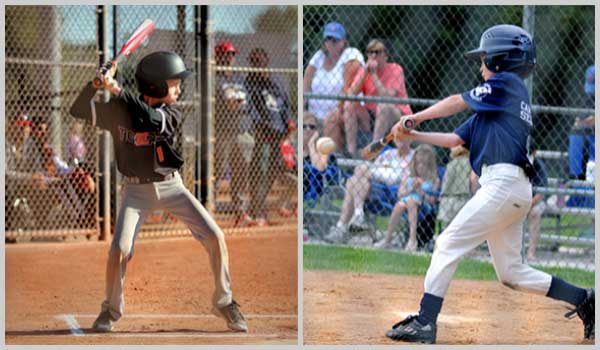
This guide is built for parents and coaches who want real, repeatable results without overcomplicating the process. You'll get six proven drills, a clear equipment comparison, a breakdown of the myths that hold kids back, and step-by-step fixes for the most common swing problems. No coaching degree required — just consistent practice and the right focus.
Whether you're working in a full backyard or just a strip of lawn, a clean practice surface makes a real difference. We cover top lightweight lawnmower picks if you're setting up a dedicated practice area. For all the gear and sport-specific guides on this site, browse the sports and outdoors section — it's a solid starting point for youth athletes at any level.
Contents
Most kids are physically ready to start hitting drills between ages 4 and 7. That's the window where hand-eye coordination and balance develop enough to support intentional, repeatable movement. According to the CDC's child development guidelines, children in this age range are actively building the gross motor skills that make sport-specific training stick.
Don't rush the timeline. A 4-year-old working off a tee is in the perfect spot. A 7-year-old who has never held a bat can still catch up quickly with focused, patient repetition. The key is keeping it fun — if a kid dreads practice, the habits won't form.
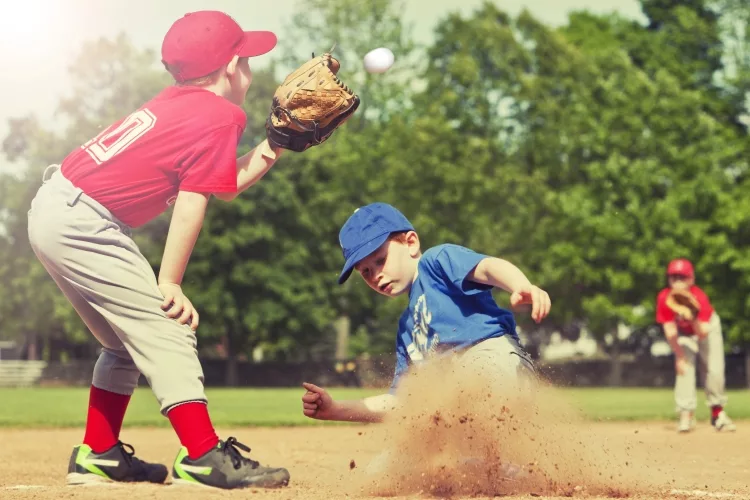
Using the wrong bat is the single most common reason kids develop a slow, looping swing. A bat that's too heavy forces them to compensate — they drop the back elbow, drag the barrel, and build mechanical problems that take months to undo.
Once your kid catches the baseball bug, they'll want to collect and get signatures. Having a reliable pen for baseball autographs on hand is something you'll be glad you sorted out early.
These six drills are structured in order of difficulty. Run them in sequence when teaching a beginner. Once your player has the basics, mix and match based on what needs the most work that session.
Before any bat meets any ball, your kid needs a stance they can repeat automatically. Spend 5 minutes per session on stance alone for the first two weeks.
Film the stance on your phone and watch it together. Kids respond faster to seeing themselves than to verbal feedback. Five clean reps with a camera beats 50 sloppy reps in the dark.
Tee work is the single most important drill you can run, regardless of age. It removes all timing pressure so your kid can focus 100% on swing path and contact point.
Run 20–30 swings per tee session before introducing any tossed or pitched ball. Skipping this step is the most common shortcut that creates long-term problems.
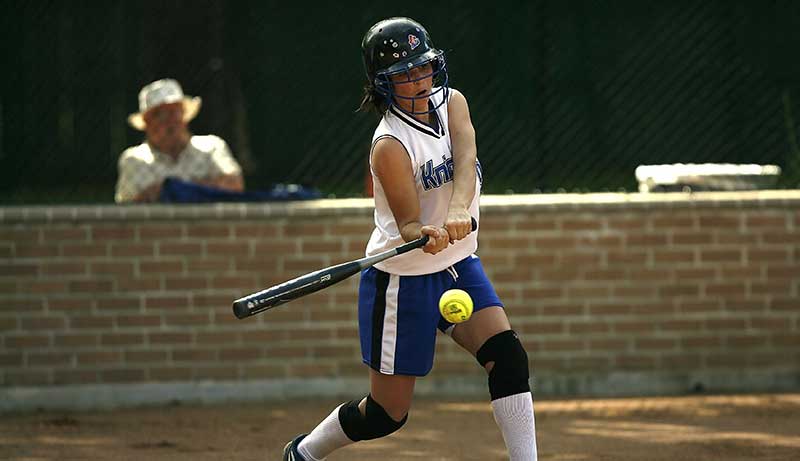
Soft toss adds a timing element back into hitting without the full challenge of a live pitch. The key is your positioning as the tosser.
Set up a portable Bluetooth speaker to keep energy up during the repetitive rounds. If yours has been unreliable, our guide on fixing a Bluetooth speaker that won't charge has a fast fix for most common issues.
This drill isolates each hand's role in the swing and exposes weakness immediately. Use a short, light bat or a cut-down training bat.
If your kid can't swing level with one hand, they're not ready to start adding power. Nail the mechanics first. Power will follow naturally.
This is the most under-taught concept in youth baseball. Power in a baseball swing comes from the hips, not the arms. A kid with great hip rotation will always out-hit a kid who just swings harder with their arms.
This is the final step. You only move here after the previous five drills show consistent results.
Every piece of training equipment has a specific purpose. Using the wrong tool for the wrong drill wastes time and can reinforce the exact habits you're trying to break. Here's a straightforward comparison to help you prioritize your purchases.
| Equipment | Best For | Recommended Age | Approximate Cost | Main Limitation |
|---|---|---|---|---|
| Batting Tee | Swing mechanics, contact point | All ages | $20–$80 | No timing element |
| Soft Toss Setup | Timing, hand-eye coordination | Age 5+ | Free (needs a partner) | Requires a dedicated helper |
| Pitching Machine | Live-pitch timing, consistency | Age 8+ | $100–$500+ | Can create mechanical, robotic hitters |
| Foam or Tennis Balls | Indoor practice, fear reduction | Ages 4–7 | $5–$15 | Doesn't replicate real ball feel |
| Incrediball / Soft Compression | Transition from foam to real ball | Ages 7–9 | $10–$25 | Not suitable for live pitching practice |
| Weighted Training Balls | Strength and contact-feel development | Age 10+ | $15–$40 | Not for regular swinging drills |
Start with the softest ball that's appropriate for the age. Removing the fear of getting hit by the ball is critical — flinching away from pitches destroys mechanics and is much harder to fix than a mechanical flaw.
For outdoor practice setups — especially evening sessions — having portable power for lighting and devices is a practical upgrade. Our breakdown of the best solar charge controllers covers solid options for running outdoor lights and equipment from a small solar array.
Bad coaching advice travels fast in youth sports. These five myths are repeated constantly on sidelines and in dugouts — and every one of them creates real mechanical problems if a kid takes them seriously.
Should you run these drills yourself, or pay for a hitting instructor? This is a real decision worth thinking through. Both options work — the right choice depends on your kid's temperament and your goals.
The best setup combines both. You handle daily repetitions and motivation. A coach handles technical diagnosis every few weeks. Your kid gets the volume they need and the accuracy that's hard to self-correct without trained eyes watching.
Even with good drills and consistent practice, certain problems show up again and again in young hitters. Here's how to identify each one and fix it fast.
This is when your kid steps away from home plate — toward third base for a right-hander — instead of stepping toward the pitcher. It means they're either afraid of the ball or off-balance in their stance.
Casting means the hands and barrel loop away from the body before coming back to the ball. It creates a long, slow swing path with almost no power. You'll see it as a big circular motion instead of a direct, compact path to contact.
When a kid pulls their head off the ball before contact — turning to look where they expect it to go — they lose their visual track of the pitch and consistently pop up, miss, or roll over the top of the ball.
An arm-only swing with no hip rotation is the most common mechanical flaw in players under 10. It limits power, causes arm fatigue, and creates an inconsistent swing plane that's hard to time.


About Lindsey Carter
Lindsey and Mike C. grew up in the same neighborhood. They also went to the same Cholla Middle School together. The two famillies from time to time got together for BBQ parties...Lindsey's family relocated to California after middle school. They occasiotnally emailed each other to update what's going on in their lives.She received Software Engineering degree from U.C. San Francisco. While looking for work, she was guided by Mike for an engineering position at the company Mike is working for. Upon passing the job interview, Lindsey was so happy as now she could finally be back to where she'd like to grow old with.Lindset occasionally guest posted for Mike, adding other flavors to the site while helping diverse his over-passion for baseball.
You can get FREE Gifts. Or latest Free phones here.
Disable Ad block to reveal all the info. Once done, hit a button below
 im
im