You're standing in the sporting goods aisle — or scrolling Amazon at midnight — trying to figure out which hunting rain jacket won't betray you when the sky opens up during a November whitetail sit. There are dozens of options at wildly different price points, and the wrong call means a soaked base layer, a chattering deer, and a ruined hunt. You deserve better than that.
In 2026, hunting rain gear has never been more capable. From ultra-packable ultralight shells that weigh less than a sandwich to fully seam-taped GORE-TEX suits with 20,000mm waterproof ratings, the technology has caught up with the demands of serious hunters. But not every jacket is built for every situation — the right rain gear depends on how you hunt, where you hunt, and how much you're willing to spend.
This guide breaks down the seven best hunting rain gear options on the market right now, drawn from real specs, verified features, and hands-on performance data. Whether you're a bow hunter who needs dead-silent fabric or a budget-conscious rifle hunter who just needs to stay dry, you'll find your match below. If you're also gearing up for the season, check out our picks for the best archery sights for hunting and the best elk bugles to round out your setup. And for everything else outdoors, browse our full sports and outdoors collection.

Contents
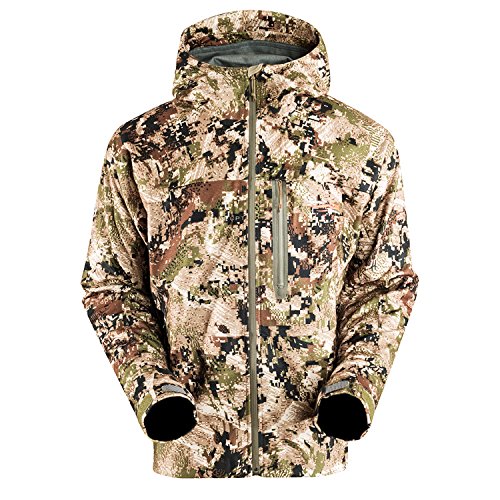




If you're a serious deer or elk hunter who moves through timber and brush, noise is your biggest enemy — even more than the rain itself. The SITKA Gear Thunderhead Jacket was built specifically for that problem. It uses a 3-layer GORE-TEX construction with a brushed polyester face and backer, which kills the crinkle and swish sounds that standard waterproof jackets produce. You can shake your arms, bend at the waist, and push through thick brush without making a sound. That's not a marketing claim — it's a genuine engineering advantage that most rain jackets completely ignore.
The GORE OPTIFADE Concealment Subalpine pattern is designed for ground-level hunting in vegetated terrain — think western mule deer country, whitetail timber, or early-season elk. The pattern breaks up your outline at distances where animals pick up movement, not just color contrast. The durable water repellent (DWR) finish keeps the face fabric from soaking through and going limp, which maintains breathability throughout a long wet-weather sit or stalk. At the price point, you're paying for that GORE-TEX certification and the acoustic engineering — and for hunters who live in rain country, it's worth every dollar.
Fit is trim and athletic, which keeps excess fabric from catching on branches or billowing in wind. The cuffs and hem seal well, and the hood fits over a hat or light beanie without gap. This isn't a budget purchase, but if you hunt the same ground year after year in wet conditions, the Thunderhead is an investment in success — not just comfort.
Pros:
Cons:
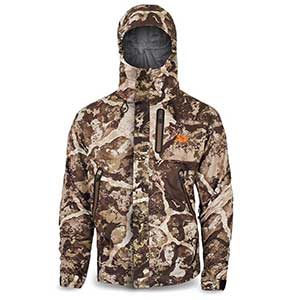
When a fast-moving storm is rolling in and you've got eight miles left on your pack-out, you need a rain layer that's already in your pack — not sitting in the truck. The First Lite FlashStorm Jacket weighs just 6.5 ounces and packs directly into its own chest pocket, making it one of the most packable hunting rain shells available in 2026. You'll barely notice it's there until you need it, and when you pull it out, you have fully seam-taped, 3-layer waterproof protection that's ready to go in under a minute.
What separates the FlashStorm from cheap emergency ponchos is the construction quality. It uses a PFAS-free DWR (durable water repellent) coating — which means it doesn't rely on the fluorocarbon chemicals that older rain gear depended on — and the fully taped seams (stitching sealed with waterproof tape on the inside) mean water can't sneak through any needle holes. For a 6.5-ounce jacket, that's serious waterproofing engineering. The Dry Earth colorway is neutral and non-alarming in the field, though it's not a full camo pattern.
This jacket is perfect for western hunters who are already carrying heavy loads and need a lightweight storm layer for passing weather. It's not designed for sitting in a tree stand for six hours in a downpour — for that kind of sustained exposure, you want something heavier. But for active hunting where you generate body heat and need something that stashes and deploys fast, the FlashStorm is the answer. First Lite has a reputation for building gear that serious backcountry hunters trust, and this jacket lives up to it.
Pros:
Cons:
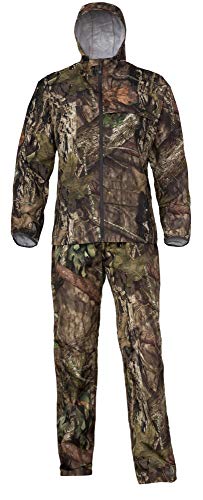
A jacket alone won't keep you dry when you're walking a mile through wet grass at 5 a.m. That's where a full rain suit makes all the difference, and the Browning Hell's Canyon CFS-WD delivers both jacket and pants in Mossy Oak Break-Up Country — one of the most effective whitetail camo patterns in use today. The shell fabric is water and windproof with fully-taped seams (the gold standard for keeping moisture out of stitch holes), and the pre-vent design allows air circulation to prevent overheating during active movement.
The adjustable hood is a feature that sounds minor until you've been caught in a sideways rain — being able to cinch the hood tight around your face without losing peripheral vision changes the experience completely. Hand warmer pockets add comfort during cold sits, and the chest pocket keeps small essentials accessible. Browning builds this suit for hunters who want reliable protection without the sticker shock of premium backcountry brands, and the Hell's Canyon line delivers consistent quality across their lineup.
This is a great choice for Midwest and eastern whitetail hunters who sit in stands and blinds through November rain events. You're not going to be covering miles in this — it's optimized for durability and protection over a long season, and Mossy Oak Break-Up Country blends naturally with timber and brush across most of the country.
Pros:
Cons:
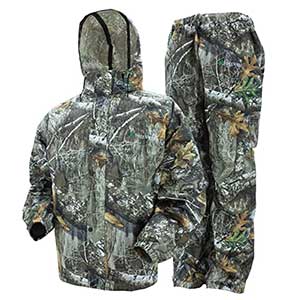
Not every hunt calls for a $400 GORE-TEX shell. If you hunt occasionally, if you're just starting out, or if you need a lightweight backup layer that lives in your truck year-round, the FROGG TOGGS Ultra-Lite2 gives you solid waterproof performance at a price point that won't sting. The polypropylene non-woven fabric is genuinely waterproof and wind resistant, not just water resistant — there's a real difference, and FROGG TOGGS meets the ASTM F1695 standard for protection, including blood penetration rating, which matters for hunters field-dressing game in the rain.
The suit includes both jacket and pants. The jacket features an adjustable hood with cord locks, a full-front zipper with a storm flap, and elastic cuffs to seal out water at the wrists. The pants have an elastic waist and straight-leg design, and both pieces pack into the included stuff sack. It's not a premium product — the fabric feels light and crinkly, and noise is a real issue if you're bow hunting — but for rifle hunters, truck hunters, or anyone who needs emergency dry coverage, this is a legitimate solution.
FROGG TOGGS has been producing affordable rain gear for outdoor enthusiasts for decades, and the Ultra-Lite2 represents their core promise: real waterproof protection at an accessible price. If you want a higher-end FROGG TOGGS option with better durability, their All-Sport line offers more robust materials while maintaining the brand's value positioning.
Pros:
Cons:
NOMAD built their reputation on understanding what hunters actually need in the field — and the Harvester NXT Jacket reflects that philosophy. The standout feature here is the proprietary Sound Kill technology, a fabric construction method that dramatically reduces the swishing and crinkling noises that standard wind-resistant shells produce. Pair that with a wind-resistant shell that blocks airflow before it reaches your body, and you have a jacket that's built for cold, breezy days when you're sitting still and need to stay warm and quiet simultaneously.
This is listed as the women's Harvester NXT, which means the cut and fit are specifically designed for the female hunter — a detail that matters enormously for comfort and mobility. The jacket is designed for women who hunt seriously and want gear built for their body, not a shrunken version of a men's jacket. Wind resistance keeps you warm by blocking convective heat loss, which is often as important as waterproofing on dry cold days when the wind chill is brutal.
This jacket won't replace a full waterproof shell in a genuine downpour, but it excels in the shoulder seasons — late October through early November — when wind is your primary enemy and rain is light. Layer it under a packable waterproof shell on wet days, or wear it solo on cold clear days in a treestand. NOMAD's commitment to hunting-specific innovation shows up in every detail of this jacket.
Pros:
Cons:
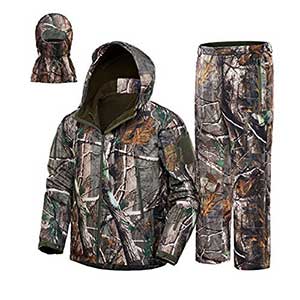
The AYIN suit punches well above its price class by combining three features that are rarely found together at this level: genuine waterproofing, camo patterning, and noise-reducing fabric. The ultra-quiet stealth fabric is engineered specifically to allow silent movement through brush, which makes it viable for bow hunters and close-range rifle hunters who can't afford to alert game with every arm movement. Most budget camo rain suits are essentially noisy plastic — the AYIN breaks that pattern.
The all-weather design targets light-to-medium cold and wet conditions, which covers the majority of deer and duck hunting scenarios across North America. Smart ventilation using waterproof zippers and adjustable drawcords lets you manage your body heat during walks into stands or long drags through the woods. The breathable construction prevents that clammy, sweat-soaked feeling that low-end rain suits create when you move fast, which makes longer outings far more comfortable.
As a complete jacket-and-pants setup in camo, the AYIN delivers significant value. It's not competing with SITKA or First Lite — the materials and construction are in a different category — but for hunters who want a dedicated camo rain suit without spending hundreds of dollars, this is a well-engineered mid-range option. It works for deer hunting, duck hunting, and wildlife photography in unpredictable weather. If you're building out a complete hearing protection setup for shooting, the AYIN makes a solid addition to an affordable-but-capable hunting kit.
Pros:
Cons:
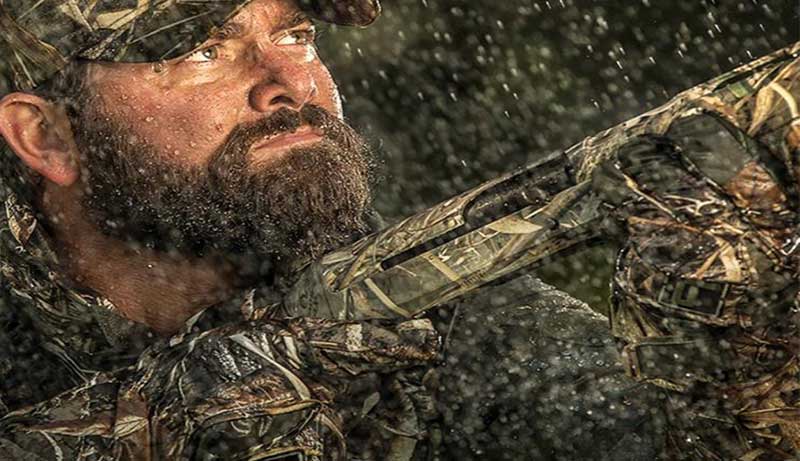
When waterproof ratings matter, numbers tell the story. The King's Camo XKG Windstorm Jacket carries a 20,000mm waterproof and 20,000g/m² breathability rating — that's the highest on this list, and it means this jacket can handle standing rain for extended periods without soaking through, while still moving moisture vapor out so you don't cook inside. That combination of extreme waterproofing and high breathability is the holy grail of rain shell design, and the XKG delivers it in Realtree Edge camo.
The 4-way stretch durable fabric addresses one of the most common complaints about stiff rain gear: restricted movement. When you're drawing a bow, climbing into a stand, or navigating steep terrain, a jacket that fights your body is a liability. The XKG stretches with you while maintaining its waterproof integrity — fully taped seams on a brushed water-repellent outer fabric lock out moisture from every angle. Ten large side-zip pockets with oversized openings let you access gear even while wearing a pack's waist belt, and the mesh-backed pockets double as ventilation ports.
This jacket is purpose-built for hunters who need top-tier weather protection in technical terrain — think western mule deer, mountain elk, or late-season whitetail in serious weather. Realtree Edge is a versatile, high-contrast pattern that works across multiple habitat types. At this performance level, the XKG competes directly with SITKA and First Lite at a price that may offer better value depending on your needs. According to waterproof fabric standards established by organizations like ASTM International, the 20,000mm hydrostatic head rating represents genuine heavy-rain performance — not just shower resistance.
Pros:
Cons:
Choosing hunting rain gear in 2026 comes down to more than just whether something says "waterproof" on the label. The right gear for a whitetail hunter in an Indiana treestand is completely different from what a backcountry elk hunter in Idaho needs. Here's what actually matters when you're making the decision.
The label "water resistant" means a garment can handle light drizzle for a short time. "Waterproof" means it's engineered to block sustained rain — but even within that category, performance varies widely. Waterproof ratings are measured in millimeters of hydrostatic head — essentially, how tall a column of water the fabric can hold before leaking. A 5,000mm rating handles light rain. A 10,000mm handles moderate rain. A 20,000mm rating like the King's Camo XKG handles sustained heavy rain and kneeling in wet grass. Look for fully taped seams (not just sealed seams) for the best protection — taped seams block every needle hole, while sealed seams only reduce the gap. If you're going to be sitting in a blind during a real downpour, you need both a high waterproof rating and fully taped seams.
You can own the best waterproof jacket on earth and still blow your hunt if the fabric crinkles every time you raise your arm. Standard polyester and nylon rain shells are notoriously loud because the fibers don't compress silently — they crack and swish when they flex. For bow hunting or any close-range hunting situation, noise is a disqualifying factor. Look specifically for jackets that advertise brushed face fabrics, Sound Kill technology (like the NOMAD Harvester NXT), or GORE-TEX with brushed polyester (like the SITKA Thunderhead). Budget suits — especially polypropylene options like the FROGG TOGGS — are audibly loud and are best reserved for rifle hunting where you have more distance margin.
Breathability is measured in grams of moisture vapor that can pass through one square meter of fabric per 24 hours (g/m²/day). A jacket rated at 5,000g/m² is adequate for slow, stationary use. A jacket rated at 20,000g/m² handles hard physical effort in the rain without trapping sweat inside. Here's why this matters for hunting specifically: if you walk a mile to your stand in rain gear and sweat through your base layer, you'll be wet from the inside before you even sit down. Breathability preserves the thermal value of your layering system — your base layer can't wick moisture away if the shell traps it. If you're an active hunter who covers ground, prioritize breathability as much as waterproofing.
The best hunting rain gear doesn't work in isolation — it's the outermost layer of a system that includes a moisture-wicking base layer and an insulating mid-layer. Make sure your rain jacket is cut with enough room to accommodate mid-layer bulk without restricting arm movement. Articulated elbows (pre-curved sleeves designed for a bent-arm position) are a detail worth checking, especially in jackets you'll wear while drawing a bow or shouldering a rifle. Also verify that the hood fits over a hat or beanie — a hood that only works bare-headed is a real limitation in cold weather. If you're building a full kit, consider matching your rain gear to other season-specific hunting gear — pair it with a quality optic setup or archery gear like our picks for the best archery sights for 2026 for a complete system approach.
The SITKA Gear Thunderhead Jacket is the top choice for bow hunters in 2026. Its 3-layer GORE-TEX construction with a brushed polyester face eliminates the crinkle noise that scares game, and it remains fully waterproof during extended rain events. The AYIN Waterproof Camo Rain Suit is a solid budget alternative that also uses noise-reducing fabric for close-range hunting situations.
It depends on how you hunt. If you're walking any distance through wet grass, brush, or timber, you need pants too — wet pants are miserable and dangerous in cold weather. For stand hunters who drive to their spot and walk 100 yards in, a quality jacket may be enough if you wear waterproof boots. For all other scenarios, the Browning Hell's Canyon or FROGG TOGGS Ultra-Lite2 full suits give you complete coverage and are worth the extra investment.
A 20,000mm hydrostatic head rating means the fabric can withstand a 20-meter column of water pressing against it before a drop passes through. In practical terms, it means the jacket handles sustained heavy rain, kneeling in wet grass, and sitting against a wet tree without leaking. The King's Camo XKG Windstorm carries this rating, which is the highest category of waterproofing available in consumer hunting gear.
Yes, if you hunt in consistently wet climates or depend on your gear for multiple seasons. GORE-TEX is a specific membrane technology with a proven track record of waterproofing and breathability over years of use, and jackets using it — like the SITKA Thunderhead — carry a performance guarantee. If you hunt infrequently or primarily in mild conditions, a well-made non-GORE-TEX option like the King's Camo XKG or First Lite FlashStorm gives you excellent performance at a lower cost.
Absolutely. Rain gear is essential for duck hunting because you're often standing in water or sitting in wet blinds for hours. For duck hunting specifically, look for a full suit with high waterproof ratings and seam sealing. The AYIN Waterproof Camo Rain Suit is specifically listed as suitable for duck hunting. Make sure your rain gear works over your waders and doesn't restrict the shoulder movement needed for mounting a shotgun quickly.
The DWR (durable water repellent) coating on rain gear eventually wears off after repeated washing and use, causing the face fabric to "wet out" and absorb water instead of beading it off. You can restore DWR by washing the jacket with a DWR restorer like Nikwax TX.Direct, then tumble drying on low heat to reactivate the coating. Avoid fabric softeners and dryer sheets, which degrade DWR. Most quality jackets need DWR refreshing every 1-2 seasons depending on use frequency.


About Lindsey Carter
Lindsey and Mike C. grew up in the same neighborhood. They also went to the same Cholla Middle School together. The two famillies from time to time got together for BBQ parties...Lindsey's family relocated to California after middle school. They occasiotnally emailed each other to update what's going on in their lives.She received Software Engineering degree from U.C. San Francisco. While looking for work, she was guided by Mike for an engineering position at the company Mike is working for. Upon passing the job interview, Lindsey was so happy as now she could finally be back to where she'd like to grow old with.Lindset occasionally guest posted for Mike, adding other flavors to the site while helping diverse his over-passion for baseball.
You can get FREE Gifts. Or latest Free phones here.
Disable Ad block to reveal all the info. Once done, hit a button below
 im
im