Which Little League bat will actually help your kid make more contact, hit harder, and enjoy the game more in 2026? That's the question every parent asks standing in a sporting goods aisle staring at a wall of options. The DeMarini 2022 CF (-10) is our top overall pick — it delivers elite composite performance, a massive sweet spot, and the kind of bat speed young hitters need to thrive. But the right bat for your player depends on age, league rules, budget, and swing style. Read on and we'll break it all down.
Little League bats must carry the USA Baseball certification stamp (sometimes called USABat), which was introduced in 2018 to standardize performance across youth leagues. If your kid plays in a standard Little League program, every bat on this list meets that requirement. Getting the stamp right matters — bring the wrong bat to the plate and you'll get called out before the first pitch. You can learn more about the standard on the USA Baseball bat information page.
We've tested and researched the top models across all price points. Whether you need a budget-friendly alloy bat for a newer player or a high-end composite for a travel-league slugger, this guide covers it. We also put together a look at the best wooden bats for baseball if your league or your player is ready to make that jump. And if your household includes a softball player too, check out our best fastpitch softballs guide for gear on that side as well. For even more sports and outdoors gear picks, browse our full category.

Contents


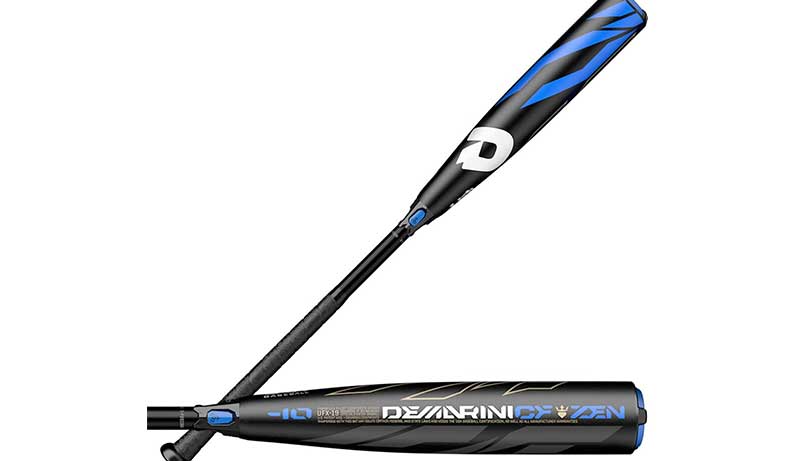
If you want the best composite bat money can buy for a youth Little Leaguer in 2026, the DeMarini CF (-10) is the clear answer. This two-piece composite design is built around the Paraflex Plus Composite Barrel — one of the most responsive and forgiving barrels in the youth bat market. The sweet spot runs nearly the full length of the barrel, which means even off-center hits carry real pop. That's a huge deal for younger players still developing their swing mechanics.
The 3Fusion Connection system is what really separates this bat from single-piece designs. It dramatically reduces sting on mishits and redirects more energy back into the barrel at contact. Your player's hands stay happy through long practice sessions. The balanced swing weight makes it easy to whip through the zone quickly — critical for hitters who face faster pitching as they move up in age groups. At 29"/19 oz, this is a bat built for a hitter who prioritizes contact and bat speed over raw power.
Yes, composite bats cost more than alloy options. But the performance gap is real. If your budget allows it, this is the bat to get. It breaks in beautifully over time and the barrel only gets better with use — composite barrels have a break-in period (typically 150–200 hits) before they hit peak performance.
Pros:
Cons:
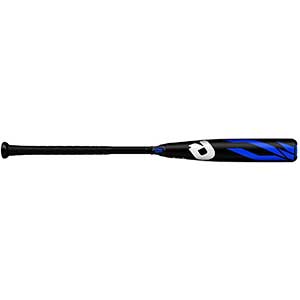
The DeMarini Voodoo One (-11) is a 2026 model — fresh off the production line — and it shows. DeMarini built this bat specifically for young hitters who need to get the barrel through the zone in a hurry. The one-piece alloy construction delivers a stiffer feel at contact compared to two-piece designs, which translates to immediate feedback and a crisp, satisfying crack on solid contact.
The Tracer End Cap is one of this bat's standout features. It's made from lightweight composite materials, which trims weight from the end of the bat and shifts the balance point closer to your hands. That means a faster, more controlled swing path. At 30"/19 oz with a 2 5/8" barrel diameter, this bat is built for players who want a light, whippy feel. The 11-drop weight makes it easy to control for hitters who are still building arm and wrist strength.
One-piece alloy bats like the Voodoo One do have more vibration on mishits compared to two-piece composites. But many hitters actually prefer that instant feedback — it tells you exactly where on the barrel you made contact. If your player has decent mechanics and wants real-time feel, this is an excellent choice for 2026.
Pros:
Cons:
Hybrid bats are the best of both worlds — an alloy barrel for immediate pop and a composite handle for vibration reduction — and the Marucci CATX RCKLESS is one of the finest hybrids in the youth market right now. The AZR alloy barrel is hot straight out of the wrapper, delivering that satisfying crack you get from metal without any break-in time. Pair that with the PFX composite handle and you get a bat that feels premium in your hands from the very first swing.
The "RCKLESS" name refers to the slight end-load design, which adds a touch of extra weight near the barrel end. That translates to more power behind each swing for players with the strength and mechanics to drive the ball. The multi-variable wall design and ring-free barrel construction expand the sweet spot beyond what traditional alloy barrels offer. You get power and forgiveness together — a rare combination at this level.
The OLS or SDX LT2 connection technology (depending on which model you grab) does a solid job of killing vibration at contact. The ergonomic handle taper and soft-touch grip round out a bat that feels purpose-built for comfort during long practices. If your kid is a strong hitter who wants extra pop, this is the hybrid to get in 2026.
Pros:
Cons:
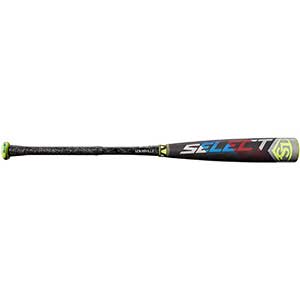
Not every parent wants to drop $300+ on a youth bat. The Easton ALPHA ALX proves you don't have to. This is a legitimate performance bat at a budget-friendly price, built on Easton's R5 alloy — the same high-performing alloy material used in more expensive Easton lines. The barrel response is excellent for the price point, and durability is one of alloy's biggest advantages over composite: this bat will survive being left in a cold car trunk without cracking.
The Ultra Lite Barrel Construction is the headline feature here. Easton engineered this bat with weight reduction as the priority, which translates directly into faster swing speeds for younger players who are still building upper body strength. At 30"/19 oz with an -11 drop, this bat is very easy to get through the zone. Contact hitters and players who are newer to the game will love the forgiveness this barrel provides.
In navy and gold, it's a sharp-looking bat too. This is one of those purchases where you get significantly more than you pay for. If your player is just getting started or you need a reliable backup bat, the ALPHA ALX earns its spot on this list without question.
Pros:
Cons:
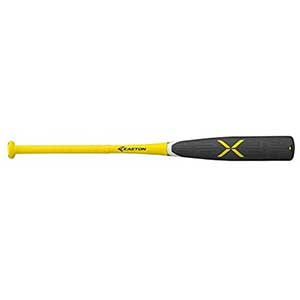
Louisville Slugger has been making baseball bats longer than any other brand on earth, and the Vapor (-10) shows why they've earned that legacy. The Series 7 Premium Alloy Barrel is the centerpiece — it delivers performance that punches well above the price tag on this bat. This is Louisville Slugger's answer to the question: "What's the best bat I can get without breaking the bank?" The answer is a confident, resounding yes from the brand that basically invented the sport.
At 29"/19 oz with a -10 drop, the Vapor is slightly heavier than the -11 options on this list, which makes it a better fit for players who have a bit more strength and are ready for the added challenge. The HUB 1-Shot End Cap is engineered specifically for maximum durability — this is a bat built to last through multiple seasons, not just one. If you have more than one child playing ball, a bat this durable pays dividends over time.
The clean, straightforward design doesn't have a lot of flashy technology attached to it. What you get is a dependable, honest alloy bat from one of the most trusted names in the game. For recreational league players who don't need top-tier composite performance, the Louisville Slugger Vapor is one of the smartest purchases on this list.
Pros:
Cons:
Axe Bat is one of the most innovative bat companies in baseball right now, and the Elite One (-10) shows exactly why. The defining feature is the patented Axe Handle — instead of a traditional round knob at the bottom, the Axe Handle is angled and shaped to match the natural grip of your hand. This isn't a gimmick. It's a genuinely different feel that allows you to swing faster with more control, and it reduces the torque (twisting force) on your wrists during the swing. Many hitters never go back to round handles after swinging an Axe.
The MX8 alloy barrel is precision-machined with a variable-wall design — meaning the barrel wall thickness varies from the sweet spot outward to optimize performance across more of the hitting surface. Every millimeter of this barrel is engineered to perform. The Hyperwhip Composite Cap at the end of the barrel shaves weight from the barrel end, resulting in a faster, more efficient swing path.
At 27"/17 oz in the listed size, this bat is ideal for smaller players or those making their first contact-focused swing adjustments. The one-piece alloy construction is stiff, responsive, and requires zero break-in. If your player wants a unique handle that actually improves mechanics, the Elite One is a great pick.
Pros:
Cons:
The Axe Hero (-12) is purpose-built for younger, smaller hitters — particularly those in the 6–10 age range who are just learning the fundamentals of hitting. The -12 drop weight is one of the lightest on the market, which means even the youngest players can get this bat through the strike zone without muscling it. Getting the bat moving is half the battle when you're 7 years old.
Like the Elite One, the Hero uses the patented Axe Handle design on the standard youth version — this gives smaller hands a more natural, stable grip that a round handle can't provide. The 1-piece alloy construction uses CNC precision variable-wall technology to create a balanced bat that maximizes swing speed. The LPX alloy is engineered to be hot out of the wrapper, so your kid is performing at full capability on day one, no break-in required.
The 2 1/2" barrel diameter on the 26" version is slightly smaller than the 2 5/8" found on most bats for older players. That's intentional — smaller barrels are easier for younger hitters to control. The slightly narrower barrel also keeps the swing weight light and the balance point closer to the hands. For beginners and younger players, the Axe Hero is one of the smartest starter bats you can buy in 2026.
Pros:
Cons:
This is the most important decision you'll make. Here's the plain-language breakdown:
Drop weight is the difference between the bat's length (in inches) and its weight (in ounces). A 29" bat that weighs 19 oz has a drop of -10. Higher drop numbers mean lighter bats relative to their length. Here's how to choose:
A general rule: your player should be able to hold the bat straight out with one arm for 30–45 seconds without the arm dropping. If they can't, the bat is too heavy.
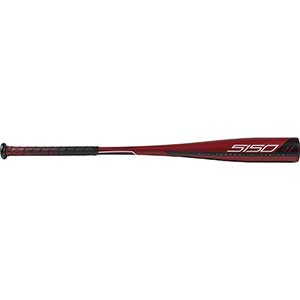
Every bat on this list carries the USABat stamp — the standard required by Little League Baseball, AABC, Babe Ruth/Cal Ripken, Dixie Youth, PONY, and most other youth leagues. Before you buy, double-check your specific league's rulebook. Some leagues have additional restrictions on barrel diameter or bat weight. You don't want to buy a bat your kid can't legally use. The USA Baseball certification stamp is typically found on the taper of the bat just below the barrel.
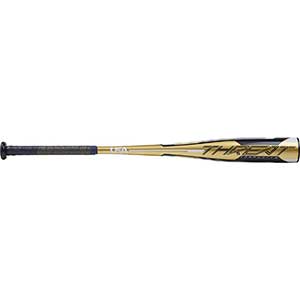
Most bats in USA Baseball fall into either 2 1/2" or 2 5/8" barrel diameter. The larger barrel means a bigger hitting surface and a more forgiving sweet spot. Younger players (under 8) often do better with the smaller 2 1/2" barrel because it's lighter and easier to control. Players 9 and up generally benefit from the larger 2 5/8" barrel.
For length, use your player's height and weight as a starting guide:
When in doubt, go slightly shorter and lighter. A bat your player can actually swing fast is always better than one they're muscling through the zone.
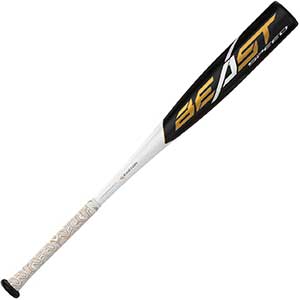
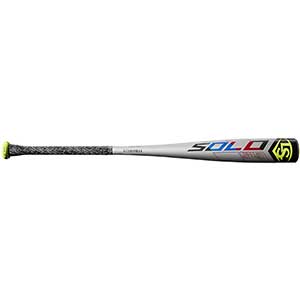

For a true beginner, the Axe Hero (-12) or Easton ALPHA ALX (-11) are both excellent starting points. The Axe Hero's -12 drop makes it the lightest and easiest to swing on this list, and the patented Axe Handle helps young players develop a better natural grip. The Easton ALPHA ALX is a step up in weight with superior alloy performance for players who have some experience and are ready for a bit more bat. Either way, prioritize a light bat that your player can swing fast and with control over a heavier bat they have to muscle through the zone.
USA Baseball certification (the USABat standard, introduced in 2018) is a performance standard that all youth bats must meet to be used in most Little League and youth baseball programs. Certified bats carry a USABat stamp on the taper of the bat. The standard limits the trampoline effect of bat barrels, making them perform more similarly to wood bats at youth levels. Every bat on this list carries the USABat stamp and is legal for standard Little League play. Always check your specific league's rules before purchasing, as some leagues have additional requirements.
Drop weight is the numerical difference between a bat's length in inches and its weight in ounces. For example, a 29" bat weighing 19 oz has a drop of -10. A higher drop number means a lighter bat relative to its length. Younger or smaller players benefit from -12 or -11 drop bats, which are easier to swing quickly. More experienced players with developed strength can handle -10 drop bats, which generate more power. The simple test: your player should be able to hold the bat straight out horizontally with one arm for 30–45 seconds. If their arm drops before that, the bat is too heavy.
It depends on your priorities. Composite bats offer the biggest sweet spots, best vibration dampening, and highest performance ceiling — but they cost more, require break-in time, and can crack in cold weather. Alloy bats are hot out of the wrapper, work in any weather, and are much more affordable. For competitive or travel league players, composite is worth the investment. For recreational or beginner players, a quality alloy bat like the Easton ALPHA ALX or Louisville Slugger Vapor is more than enough to perform well and develop properly. Hybrid bats split the difference for players who want the best of both worlds.
Alloy and hybrid bats can be used in cold weather without issue — metal doesn't crack from temperature exposure. Composite bats are a different story. Using a composite bat when temperatures are below 60°F (15°C) puts the barrel at risk of cracking or delaminating. If your player's season starts in early spring with cold mornings, bring an alloy bat as a backup. Save the composite for warmer game days. Many serious players own both an alloy bat for cold weather and a composite for optimal-condition games.
A well-maintained composite bat used in a single Little League season typically lasts 1–3 years depending on usage frequency. Composite barrels do get better with use — the fibers loosen slightly during break-in and deliver better pop — but heavy or improper use (like rotating the bat by only hitting on one spot) can create dead spots over time. Alloy bats generally last longer mechanically but can dent, which affects performance. Store all bats indoors at room temperature, rotate hitting spot during break-in for composites, and avoid hitting rubber balls or off a pitching machine with settings outside manufacturer recommendations.


About Lindsey Carter
Lindsey and Mike C. grew up in the same neighborhood. They also went to the same Cholla Middle School together. The two famillies from time to time got together for BBQ parties...Lindsey's family relocated to California after middle school. They occasiotnally emailed each other to update what's going on in their lives.She received Software Engineering degree from U.C. San Francisco. While looking for work, she was guided by Mike for an engineering position at the company Mike is working for. Upon passing the job interview, Lindsey was so happy as now she could finally be back to where she'd like to grow old with.Lindset occasionally guest posted for Mike, adding other flavors to the site while helping diverse his over-passion for baseball.
You can get FREE Gifts. Or latest Free phones here.
Disable Ad block to reveal all the info. Once done, hit a button below
 im
im