Which paint actually stops rust on metal — and which ones just buy you another season before the flaking starts all over again? If you've got a corroded fence post, a pitted truck frame, or a garden tool that's seen better days, picking the wrong product is an expensive mistake. The good news: our top pick for 2026 is the Rust-Oleum 248658 Stops Rust Reformer Spray Paint, and it doesn't even require you to sand first. It chemically converts active rust and gives you a paintable surface in under an hour.

Rust is essentially iron oxide — what happens when steel reacts with oxygen and moisture over time. Once it starts, it doesn't stop on its own. The right paint interrupts that process either by converting the rust chemically, sealing it under an impenetrable barrier, or both. But not every rusty surface calls for the same solution. A lightly oxidized mailbox needs something different than a heavily pitted trailer hitch. This guide cuts through the confusion with seven of the best rust-fighting paints you can buy right now, covering sprays, brush-ons, converters, and topcoats — all tested and rated for real-world use. If you're working on other surfaces around the same project, our home improvement section has guides on everything from flooring to fixtures.
We'll walk you through each product in detail, then wrap up with a buying guide that explains the key differences between product types, and a FAQ that covers the questions we hear most often. We've also linked out to some complementary guides — including our picks for the best penetrating oils for loosening rusted bolts before you paint, and our roundup of the top metallic paints in 2026 for decorative finishes on metal surfaces. Let's get into it.
Contents
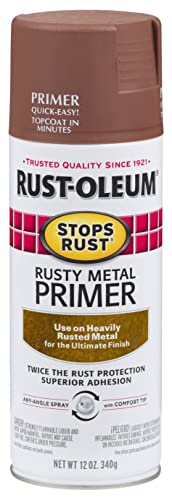


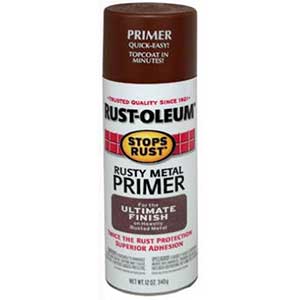
This flat brown spray primer from Rust-Oleum is purpose-built for one specific job: going directly onto heavily rusted metal surfaces and creating a solid base for topcoats. It's not a converter or a finish coat — it's a dedicated primer, and that focused design is exactly what makes it so effective. The oil-based formula penetrates into surface rust and locks it down, stopping the oxidation process and giving subsequent paint layers a stable surface to bond to. You don't need a perfectly clean surface, but you should remove any loose or flaking rust before application.
At 12 ounces, one can covers between 10 and 12 square feet, which makes it ideal for targeted repairs rather than large-scale projects. It dries to the touch in just 15 to 30 minutes, which is impressively fast for an oil-based product — you're not waiting hours before you can apply a topcoat. The flat brown finish provides excellent adhesion for most oil-based and alkyd topcoats. If you're restoring metal furniture, garden equipment, or structural steel with serious corrosion, this primer is your first line of defense. Follow it up with any Rust-Oleum Stops Rust topcoat for a complete, durable system.
The only real limitation is coverage — this is a 12-oz can, not a quart. For a small repair on a fence post or a section of railing, it's perfectly sized. For an entire gate or a large metal structure, you'll want to stock up on a few cans or switch to the quart brush-on version (which we also review below). That said, the spray application gives you outstanding even coverage on irregular or textured surfaces that would be tricky to brush on.
Pros:
Cons:
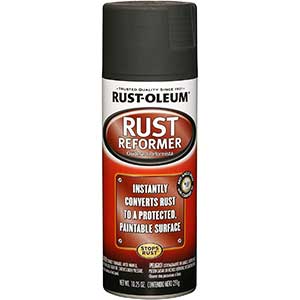
This is our top pick for 2026, and the reason is simple: it chemically transforms rust into a stable, paintable surface without any grinding or wire brushing. The Rust-Oleum Reformer works through a chemical reaction that converts iron oxide (rust) into iron tannate — a hard, black, sealed layer that protects the metal underneath and bonds with paint layers above. You spray it directly onto the rust, let it react, and you're ready to topcoat. For most DIYers, that time savings alone justifies the purchase.
The matte black finish means you could technically leave it as-is for a clean utilitarian look — it's not going to win any beauty contests, but on automotive undercarriages or structural metal that won't be seen, it works. More commonly, you'll use it as a primer and apply a topcoat of your choice within 24 hours. The oil-based formula bonds strongly to the rusted surface, and the tack-free dry time of 20 to 40 minutes means you're not waiting around all day. At 10.25 ounces, coverage is adequate for most repair jobs.
One important caveat: this product is designed for metal with surface rust and moderate corrosion. It's not meant to fix metal that's rusted through — structurally compromised metal needs to be cut out and replaced before any coating goes on. But for the vast majority of rust problems homeowners encounter, from tool handles to fence hardware to lawn mowers, the Rust-Oleum Reformer is the fastest, lowest-effort solution on the market. It consistently earns top marks from users for exactly that reason.
Pros:
Cons:
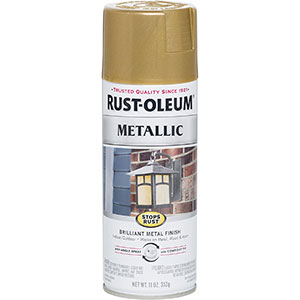
Corroseal takes a different approach than the oil-based options on this list. It's a water-based rust converter, primer, and topcoat all rolled into one product — and that combination is genuinely useful for anyone who wants maximum protection without managing multiple cans. The formula works in a single step: brush or roll it onto the rusted surface, and it simultaneously converts the rust chemically and seals it under a latex metal primer. The water-based chemistry means it's non-flammable, non-corrosive, and cleans up with just soap and water. No mineral spirits, no harsh solvents.
This is particularly appealing for anyone working in enclosed spaces — garages, sheds, basements — where fumes from oil-based products can build up quickly. The 1-quart container gives you enough product to cover a meaningful area, and because this is a brush-on formula, you can work it into crevices and surface irregularities that a spray can might miss. It's especially popular for industrial applications: heavy equipment, trailers, farm machinery, and marine hardware where corrosion is an ongoing battle and easy reapplication matters.
The trade-off with Corroseal is that, like all water-based products, it's more sensitive to application temperature and humidity. You'll want to apply it in conditions above 50°F and avoid direct rain for at least 24 hours after application. The finish is also less glossy than oil-based options. But if you need something safe, low-odor, and genuinely multi-purpose that covers a large area efficiently, Corroseal delivers where it counts.
Pros:
Cons:
Most rust paints sacrifice looks for performance. The Rust-Oleum Hammered Finish does both. The textured, hammered black finish is genuinely attractive on metal surfaces — it gives railings, furniture, gates, and decorative ironwork a professional, forged-metal appearance while simultaneously protecting them from rust and corrosion. The oil-based formula provides the same proven rust prevention as other Rust-Oleum products, with a quart covering up to 100 square feet. That's excellent value for brush-on paint.
Beyond looks, this paint is legitimately tough. It's weather and corrosion resistant on both exterior and interior surfaces, and it adheres to wood, metal, concrete, and masonry — making it a versatile choice for multi-material projects. Dry time is 2 to 4 hours to the touch, with a full cure in around 24 hours. The hammered texture has a practical benefit too: it hides surface imperfections, small dents, and uneven spots far better than a smooth gloss finish would. If your metal surface has seen better days, the hammered finish is forgiving in a way that flat or gloss finishes just aren't.
This is the product to reach for when the metal is both functional and visible — patio furniture, garden gates, decorative brackets, and iron railings where you want protection and a polished appearance. It's not a rust converter, so you'll want to remove loose rust and apply a primer (like the Rust-Oleum Rusty Metal Primer Spray above) on heavily corroded surfaces before using this as your topcoat. On lightly rusted or previously primed surfaces, it works beautifully as a standalone finish.
Pros:
Cons:
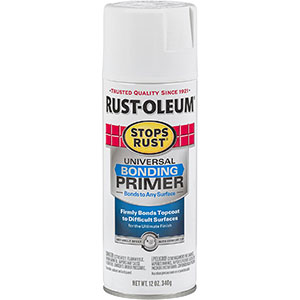
Hammerite is one of the most respected names in European metal finishing, and this Direct to Rust formula shows exactly why. The 3-in-1 formulation works as a primer, undercoat, and topcoat simultaneously — so you apply it directly to rusty metal and get a smooth, glossy high-sheen finish in a single step. No priming, no undercoating. For anyone who wants the job done properly without a complicated multi-step process, this is hard to beat. The smooth black finish is genuinely good-looking — it's a high-gloss, durable surface that looks professional right out of the tin.
The standout spec here is the protection claim: up to 8 years of rust protection in normal outdoor conditions. That's a bold number, and it reflects both the quality of the formula and the chemistry behind it. Hammerite uses a specialized alkyd resin system that penetrates into the rust layer and chemically inhibits further oxidation, while building up a hard, flexible topcoat above it. The result is a coating that doesn't just sit on top of the metal — it becomes part of the corrosion-protection system.
At 250ml, this is the smallest container on our list — best suited for targeted touch-ups, small decorative items, or spot repairs on larger structures. It's brush-on only in this size, which works well for intricate metalwork like hinges, brackets, bolts, and ornamental ironwork. Availability outside the UK can be limited depending on your location in 2026, so check stock before counting on it for a time-sensitive project. But when you can get it, nothing on this list beats its combination of gloss finish and claimed longevity.
Pros:
Cons:
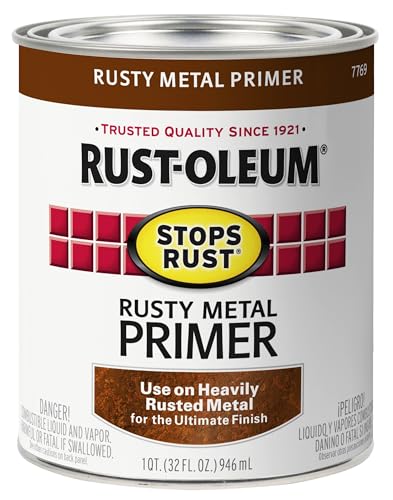
Think of this as the big-brother version of the #1 spray primer on this list. The Rust-Oleum 7769502 is the same proven oil-based rusty metal primer formula in a quart brush-on format — and the difference in coverage is significant. One quart covers 65 to 110 square feet, which makes it the most cost-effective primer option for large projects like metal roofing, extensive fencing, metal sheds, structural steel, or industrial equipment. If you're dealing with a big surface area that has heavy rust, this is your workhorse primer.
The flat brown finish provides excellent mechanical and chemical adhesion for any oil-based topcoat. Dry time is 2 to 4 hours to the touch — longer than the spray version, but perfectly reasonable for a brush-on product. The oil-based formula is the same trusted chemistry that's made Rust-Oleum the go-to brand for metal protection for decades. It penetrates into the rust, binds with the metal surface, and creates a durable foundation that topcoats can grip. Don't skip a topcoat — this is a primer, not a finish, and it needs that additional layer to deliver long-term protection outdoors.
For anyone doing serious metal restoration work — automotive restoration, farm equipment maintenance, or structural metal repairs — this is the primer to stockpile. The quart format also means you can use a roller for flat surfaces, which gives you even faster application on large areas. Pair it with the Rust-Oleum Hammered Finish topcoat for a complete, long-lasting system that looks sharp and holds up to the elements.
Pros:
Cons:
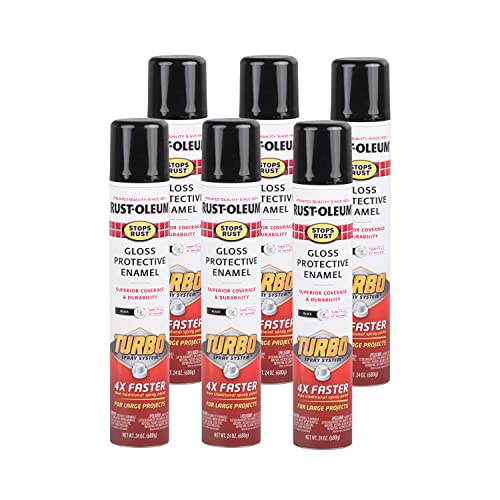
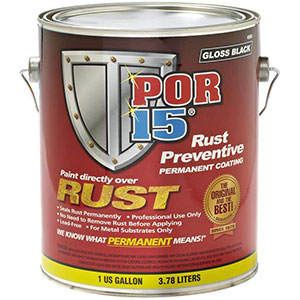
If you've ever used a regular spray can and thought, "I wish this went faster," the Rust-Oleum Turbo Spray System is the answer. This 6-pack of 24-oz cans uses a wide-fan spray nozzle that delivers a 10-inch tall spray pattern — compared to the standard 2 to 3 inches from a regular aerosol. The result is four times faster project completion than conventional spray paint, with professional spray-equipment-quality results from an aerosol can. For anyone painting large metal structures, fleet vehicles, metal roofing sections, or commercial fencing, this changes the math on spray application completely.
The protective oil-based enamel prevents rust and corrosion on metal, wood, concrete, and masonry — and at 24 ounces per can with up to 20 square feet of coverage each, this 6-pack covers up to 120 square feet total. Dry time is 2 hours to touch, with a recoat window of within 1 hour or after 48 hours — follow that window closely to avoid adhesion problems between coats. The gloss black finish is clean and durable, holding up well to weather, UV exposure, and physical wear.
This is a specialized product for a specific use case. If you're doing small repairs or touch-ups, a standard 12-oz can is faster to handle and more economical. But for large projects where time is money, the Turbo system cuts your spray time dramatically while delivering the same Rust-Oleum quality you'd expect. The 6-pack format also ensures you have enough product to complete a substantial job without running out mid-project — one of the most frustrating outcomes of any painting job. If you're also dealing with maintenance on other automotive components, check out our guide on the best vinyl dyes for cars and vinyl surfaces for interior restoration alongside your exterior metal work.
Pros:
Cons:
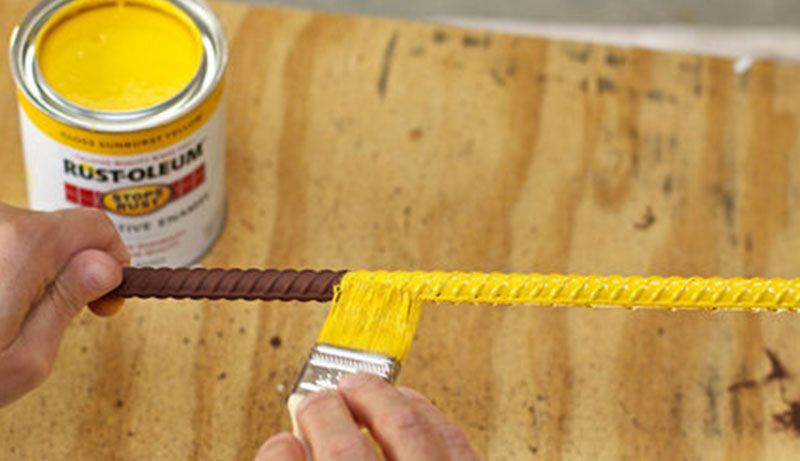
With so many rust-fighting products on the market, it helps to understand the key differences before you buy. Picking the wrong product type is the most common mistake — and it leads to peeling paint, recurring rust, and money wasted. Here's what to consider.
These two product types are often confused, but they work differently and serve different purposes. A rust converter (like the Rust-Oleum Reformer or Corroseal) uses a chemical reaction to transform iron oxide (rust) into a stable compound — iron tannate or a similar inert substance. You apply it directly to active rust, it reacts, and the rust is chemically neutralized. A rust primer (like the Rust-Oleum 7769830 spray and the 7769502 brush-on) is designed to adhere to rusty surfaces and create a sealed base for topcoats, but it doesn't chemically transform the rust underneath.
In practice: if your metal has significant active rust and you don't want to sand, a converter is your first move. If your metal has moderate rust that you've already treated or cleaned, a primer is the right next step before applying a finish coat. Some products, like Corroseal, do both simultaneously. Neither type is universally better — they're tools for different stages of the job.
Oil-based formulas (most Rust-Oleum products, Hammerite) generally offer superior adhesion, harder cured films, and better resistance to water and UV exposure once they're dry. They're the traditional choice for exterior metal and automotive applications. The trade-off is longer dry times, solvent-based cleanup (you'll need mineral spirits), and stronger fumes during application.
Water-based formulas (Corroseal) dry faster in many conditions, clean up with soap and water, and emit fewer harmful fumes — making them the better choice for enclosed spaces and users sensitive to VOCs (volatile organic compounds, the fumes in oil-based paint). In 2026, the quality gap between oil-based and water-based rust coatings has narrowed considerably, but oil-based products still have a performance edge in harsh outdoor environments. Choose based on your workspace, surface type, and how much maintenance the project will realistically receive.
The right application method depends on your surface geometry and project scale. Spray cans deliver excellent, even coverage on irregular surfaces — bolts, hinges, ornate metalwork, textured surfaces — and are faster for small jobs. They're also forgiving of technique: even coverage is easier to achieve with a spray. The downside is that each can covers limited area, overspray wastes product, and costs per square foot are higher.
Brush-on products are more economical for large, flat surfaces — a quart of brush-on primer covering 100+ square feet is hard to beat for value. You can apply thicker, more controlled coats in specific areas, and there's no overspray to manage. The trade-off is that brush marks can show on smooth finishes if technique is poor. Rollers work well for large flat sections and deliver a more even coat than brushes on flat metal.
This depends entirely on the product type and the severity of the rust. For rust converters: remove any oil, grease, or dirt first — these block the chemical reaction. Loose, flaking rust should be brushed away with a wire brush. You don't need to reach bare metal. For primers over rust: wire-brush loose rust, then apply. The primer is designed to adhere to the remaining stable rust layer. For finish coats and topcoats: the surface should be primed and fully dry. The cleaner and smoother the primer layer, the better the topcoat adhesion and appearance.
Never apply paint over grease, wax, or wet surfaces — these are the most common reasons rust paint fails prematurely. A quick wipe with a degreaser or acetone-soaked rag before application takes 5 minutes and dramatically extends the life of whatever you put on top. Good prep work isn't glamorous, but it's the real secret to a paint job that lasts years rather than months.

No — but you need to remove loose, flaking rust. Stable surface rust that's still firmly attached to the metal can be painted over with a rust converter or a rust primer. The converter will chemically neutralize it; the primer will seal it. What you can't paint over is powdery, flaking rust that has no structural integrity — that material provides no adhesion surface and will cause the paint to peel. Use a wire brush or grinder to remove loose rust before applying any product.
With a rust converter (like Rust-Oleum Reformer or Corroseal), yes — that's exactly what they're designed for. With a standard finish paint or topcoat, no. Regular paint doesn't bond well to rust and will peel within a season. If you're skipping primer, make sure the product you're using is specifically formulated as a direct-to-rust converter or all-in-one product. Hammerite's Direct to Rust paint is another example of a product that legitimately skips the primer step.
It depends on the product, application quality, and exposure conditions. A properly applied oil-based rust primer plus topcoat system from Rust-Oleum typically lasts 4 to 6 years on sheltered exterior metal. Hammerite claims up to 8 years for its Direct to Rust formula. Surfaces exposed to constant rain, coastal salt air, or UV without shelter will see shorter service life. Touch-up any chips or scratches promptly — bare metal exposed through chipped paint starts rusting immediately and undermines the surrounding coating.
A rust inhibitor prevents rust from forming on bare or clean metal — it creates a protective barrier that stops moisture and oxygen from reaching the steel. A rust converter reacts chemically with existing rust and transforms it into a stable compound. Think of it this way: inhibitors are preventive (apply to clean metal before rust starts), and converters are corrective (apply to metal that's already rusted). Many products combine both functions — a converter that also leaves an inhibiting layer behind after the reaction is complete.
For demanding outdoor applications — fencing, automotive metal, structural steel, marine environments — oil-based formulas generally outperform water-based ones for long-term durability, water resistance, and UV tolerance. The cured film is harder and more flexible across temperature extremes. Water-based formulas are the better choice when you're working indoors or in enclosed spaces where fumes are a concern, or when easy cleanup is a priority. In 2026, water-based products have improved significantly, but for maximum longevity on outdoor metal, oil-based still leads.
You can, but it won't last. Standard spray paints aren't formulated to bond to rusty surfaces — they need a clean, primed substrate to adhere properly. Apply regular spray paint directly to rust and you'll see peeling, bubbling, and complete failure within months. Always use a product specifically designed for rusty metal as your first coat. Once you have a proper primer or converter layer fully cured, you can apply almost any compatible topcoat over it, including many standard spray paints.
The best paint for rusty metal is the one that matches your surface — but when in doubt, a rust converter that requires no sanding is always the faster, smarter first move.


About Lindsey Carter
Lindsey and Mike C. grew up in the same neighborhood. They also went to the same Cholla Middle School together. The two famillies from time to time got together for BBQ parties...Lindsey's family relocated to California after middle school. They occasiotnally emailed each other to update what's going on in their lives.She received Software Engineering degree from U.C. San Francisco. While looking for work, she was guided by Mike for an engineering position at the company Mike is working for. Upon passing the job interview, Lindsey was so happy as now she could finally be back to where she'd like to grow old with.Lindset occasionally guest posted for Mike, adding other flavors to the site while helping diverse his over-passion for baseball.
You can get FREE Gifts. Or latest Free phones here.
Disable Ad block to reveal all the info. Once done, hit a button below
 im
im