The right way to wash a baseball cap is simple: hand wash it in cool water with a mild detergent, reshape it while damp, and air dry. That's the short answer. If you've been tossing yours in a hot wash cycle or running it through the dishwasher, you're probably warping the brim and fading the fabric faster than you realize. Learning how to wash a baseball cap properly takes a few minutes and keeps your favorite hat looking sharp for years. Browse more sports gear care guides in our Sports & Outdoors section.
Caps collect sweat, sunscreen, dust, and skin oil faster than almost any piece of gear you own. Left uncleaned, that buildup stiffens the sweatband, causes dark staining around the brim, and weakens stitching over time. Whether you wear your cap to weekend games or just as a daily accessory, regular cleaning is the single biggest thing you can do to extend its life. If you're a baseball fan teaching the next generation about the sport, check out our guide on how to teach a kid to hit a baseball — and make sure their lucky cap stays clean in the process.
This guide covers seven essential steps, what each cleaning method costs, which caps can handle which treatment, and the myths that lead people to ruin perfectly good hats.
Contents
One of the best things about washing a baseball cap at home is that it costs almost nothing. You probably already have everything you need. The real question is which method delivers the best result for your specific cap without risking a ruined hat.
| Method | Supplies Needed | Estimated Cost | Risk Level | Best For |
|---|---|---|---|---|
| Hand Washing | Basin, mild detergent, soft brush | $0–$5 (one-time) | Low | All cap types |
| Machine Washing | Laundry bag or cap cage, detergent | $5–$15 (cage) | Medium | Modern polyester/cotton caps only |
| Spot Cleaning | Damp cloth, stain remover | $3–$8 | Very Low | Light stains, quick refresh |
| Dry Cleaning | Professional service | $10–$25 per cap | Very Low | Wool, delicate or vintage caps |
| Dishwasher | Cap cage, top rack | $5–$15 (cage) | High | Not recommended — see myths section |
For most people, hand washing is the clear winner. You spend almost nothing, the whole process takes under 15 minutes, and the risk of damage is minimal. A cap washing cage — a plastic frame that holds the cap's shape in the machine — costs around $5–$10 online and is worth having if you prefer machine washing for modern caps.
Where cost matters most is the cap itself. A $30 structured fitted cap deserves more care than a $10 trucker hat. Factor in replacement cost when deciding how much effort to invest — and whether a professional dry clean is worth it for your most expensive or sentimental hats.

Before you do anything, check the tag inside your cap. Most modern caps include care labels that tell you exactly what the manufacturer recommends. If the label says "spot clean only," don't ignore it. If there's no label — common on vintage or handmade caps — treat it as delicate and default to hand washing.
Pro tip: Test your detergent on a small hidden section of the cap before washing the whole thing — some dyes bleed when wet, especially on older or brightly colored caps.
Hand washing is the gold standard for how to wash a baseball cap without damaging its structure. Here's the full process:
Machine washing is acceptable for modern caps made of polyester or cotton blends, but only with precautions. Place your cap in a cap washing cage or mesh laundry bag to keep it from being crushed or tangled. Use a gentle cycle, cold water, and a small amount of mild detergent. Wash caps separately or with lightweight items only — washing with heavy jeans or towels can deform the cap permanently.
After the wash cycle, skip the dryer entirely. Reshape by hand and air dry exactly as you would after hand washing. The machine handles the cleaning; air drying preserves the shape.
For a small smudge or fresh sweat stain, spot cleaning is faster and gentler than a full wash. Dampen a clean cloth with cool water, add a tiny drop of dish soap, and gently blot — don't rub — the stained area. Rinse with a second damp cloth and air dry. Use this method after every few wears between full washes to keep buildup from setting in.

Washing is only part of the equation. How you store and handle your cap between wears makes just as big a difference over time. Consistent long-term care means your cap stays clean longer between full washes and holds its shape through years of regular use.
Cap care follows the same principle as caring for other items with multiple sensitive components. Just as cleaning a motherboard requires attention to different materials and careful handling, a baseball cap's sweatband, brim, and shell each respond differently to water, heat, and cleaning agents.
Sweat is the biggest long-term threat to any cap. The salt and oils in sweat break down fabric, stain the sweatband, and cause that yellowish ring around the brim that's nearly impossible to fully remove once it sets. Here's how to stay ahead of it:
Warning: Never store a damp cap in a sealed bag or enclosed space — trapped moisture leads to mildew growth inside the sweatband that's nearly impossible to fully eliminate.
If you're someone who wears your cap during active play — say, while working on your mechanics after reading our guide on how to pitch slow pitch softball — building a quick spot-clean habit after each use dramatically reduces how often you need a full wash.
Not all caps clean the same way. The material and construction determine which method is safe. According to Wikipedia's overview of baseball caps, modern caps use a wide range of materials — wool, cotton, polyester, and blended fabrics — each with different care requirements. Match your method to your material and you'll avoid most common cleaning mistakes.
Wool caps — including most vintage and officially licensed professional caps — require the most careful treatment. Wool shrinks and felts in warm water, and machine washing almost always permanently deforms the crown. For these caps:
Most caps sold today use polyester or cotton-polyester blends with a plastic brim stiffener rather than the old cardboard versions. These are much more forgiving. They can handle hand washing and, in many cases, gentle machine washing in a cap cage. Cold water and air drying still apply — the construction holds up to moisture, but heat remains the enemy.
If you own a signed cap — maybe one you had authenticated using tips from our guide on the best pens for baseball autographs — treat it like a vintage cap regardless of material. Washing a signed cap can cause ink to bleed or smear irreversibly, so spot clean only, and always work around the signature.
Mesh-backed trucker caps are the most forgiving to clean. The mesh panels dry quickly and handle gentle machine washing without issue. Watch the structured foam front panel — if it's glued rather than stitched, aggressive washing can cause delamination (the foam layers separating from the fabric). Hand washing is still preferable, but these caps forgive small mistakes better than wool or fitted caps.
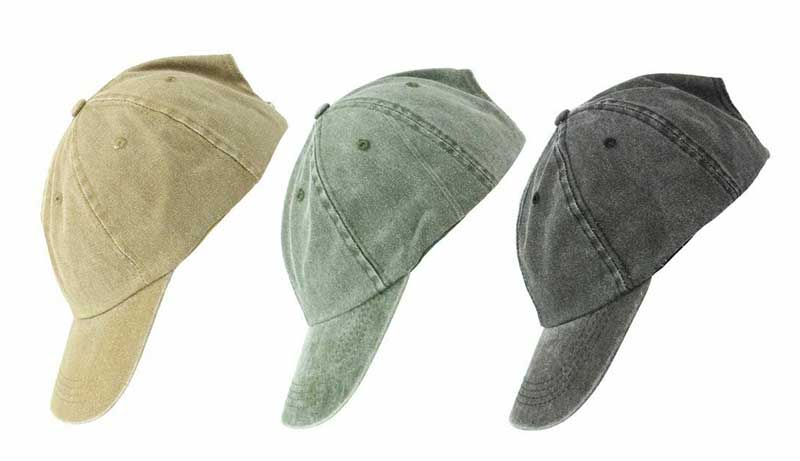
There's a lot of bad advice floating around about how to wash a baseball cap. These are the myths that get people into trouble most often.
Myth 1: The dishwasher is a clever shortcut. This tip has circulated for years. The reality: dishwasher detergent is far too harsh for cap fabric, and the high-heat drying cycle will warp the brim on almost every cap. The high-pressure spray also hammers the sweatband and can crack plastic components. Save the dishwasher for dishes.
Myth 2: Hot water cleans better. For some fabrics and heavy-duty items, warm water helps. For baseball caps, heat is the enemy. Hot water shrinks wool, warps plastic brim stiffeners, and degrades the adhesive holding some caps together. Cold water with the right detergent cleans just as effectively without the damage.
Myth 3: A low dryer setting is safe. Even "low heat" in a clothes dryer reaches temperatures that deform a cap's structure over multiple cycles. The tumbling action also bends the brim in unpredictable directions. Air drying on a form is always the right call — it takes longer, but the result is a cap that keeps its original shape.
Myth 4: Bleach removes sweat stains effectively. Bleach does remove stains. It also destroys fabric fibers, causes white streaking on colored caps, and degrades the sweatband's elasticity. For tough sweat stains, use an enzyme-based stain remover like OxiClean instead — it breaks down the organic compounds in sweat without the collateral damage.
Understanding the basics of the sport helps you appreciate the gear that goes with it. If you're introducing someone new to the game, our guide on how to play baseball covers the essential rules every beginner should know before stepping onto the field.


About Mike Constanza
For years, Mike had always told everyone "no other sport like baseball." True to his word, he keeps diligently collecting baseball-related stuff: cards, hats, jerseys, photos, signatures, hangers, shorts (you name it); especially anything related to the legendary player Jim Bouton.Mike honorably received Bachelor of Science degree in Business Administration from University of Phoenix. In his graduation speech, he went on and on about baseball... until his best friend, James, signaled him to shut it.He then worked for a domain registrar in Phoenix, AZ; speciallizng in auction services. One day at work, he saw the site JimBouton.com pop on the for-sale list. Mike held his breath until decided to blow all of his savings for it.Here we are; the site is where Mike expresses passion to the world. And certainly, he would try diversing it to various areas rather than just baseball.
You can get FREE Gifts. Or latest Free phones here.
Disable Ad block to reveal all the info. Once done, hit a button below
 im
im