The first time I stepped onto a baseball diamond, I had no idea what I was doing. I stood at the plate, watched a pitch sail right past me, and turned to the catcher with a completely blank look on my face. That moment made one thing crystal clear: understanding baseball rules for beginners is just as important as raw athletic ability. Whether you're picking up a bat for the first time or just trying to follow along at your kid's Little League game, the rules are what make everything click. If you love sports and outdoor gear, our sports and outdoors section has plenty more guides to help you get started on the right foot.

Baseball can look intimidating at first. Coaches flashing hand signals, fielders shifting position mid-pitch, umpires making calls that seem to come from nowhere — it's a lot to process. But strip it down, and you're left with a game built on a surprisingly logical set of rules. Learn those rules, and everything else starts to fall into place on its own.
This guide walks through eight essential rules every beginner should know, along with the context, common mistakes, and practical tips that turn rulebook knowledge into real on-field confidence. By the end, you'll have a solid foundation — whether you're stepping onto a diamond for the first time or just want to stop asking "wait, why is he out?" every few minutes.
Contents
Baseball is a bat-and-ball sport played between two teams of nine players each. The goal is simple on the surface: score more runs than the opposing team. A run happens when a player advances around all four bases in order — first, second, third, and home — and touches home plate safely. One team bats while the other fields, and they swap roles after three outs. A standard game lasts nine innings.
According to Wikipedia's overview of baseball, the sport evolved from earlier bat-and-ball games played in England and North America throughout the 18th and 19th centuries. It spread globally through military service, immigration, and broadcast media, and it remains one of the most widely recognized and played sports in the world.
What makes baseball compelling is how it balances individual performance with team coordination. A solo home run can shift a game entirely. So can a perfectly timed bunt, a stolen base called at exactly the right moment, or a relay throw that cuts down a runner at home plate. Every player on the field has a defined role, and understanding those roles starts with knowing the rules that shape them.
A standard baseball field has four bases arranged in a diamond shape, each 90 feet apart at the professional and high school level — shorter in youth leagues. Here's what each base represents:
The infield covers the diamond area and is patrolled by six players: the pitcher, catcher, first baseman, second baseman, shortstop, and third baseman. Three outfielders cover the larger grassy area beyond the infield. Many rules — foul territory, the batter's box, infield fly, tag-up requirements — are tied directly to specific locations on the field. Knowing the layout is the first step to understanding why calls are made the way they are.
An inning is divided into two halves: the top half (visiting team bats) and the bottom half (home team bats). Each half-inning ends when the fielding team records three outs. An out can happen in several ways — a strikeout when the batter accumulates three strikes, a flyout when a fielder catches the ball before it hits the ground, or a groundout when the fielder throws to first base before the batter arrives.
You score a run by touching all four bases in sequence and returning to home plate safely. Runners can advance on hits, walks, wild pitches, passed balls, or sacrifice plays. The team with more runs after nine innings wins. If the score is tied at the end of nine, the game continues into extra innings until one team takes the lead at the end of a complete inning.
Here's a quick reference covering the most common outcomes you'll encounter as a beginner:
| Situation | What Happens | Result |
|---|---|---|
| Batter swings and misses for the 3rd strike | Strikeout (K) | Batter is out |
| Batter hits a ball caught in the air | Flyout | Batter is out |
| Fielder throws to 1B before batter arrives | Groundout | Batter is out |
| Pitcher throws 4 balls outside the zone | Walk (base on balls) | Batter advances to 1st base |
| Batter hits ball over outfield fence in fair territory | Home run | All runners and batter score |
| Runner reaches base before fielder's throw | Safe | Runner remains on base |
| Fielder tags runner before the base is reached | Tag out | Runner is out |
| Batter is struck by a pitch | Hit by pitch (HBP) | Batter advances to 1st base |
The strike zone is the invisible rectangular area directly over home plate, between the batter's knees and the midpoint of their torso. Any pitch passing through that space — whether the batter swings or not — counts as a strike. Three strikes and you're out. Four balls (pitches outside the zone that you don't swing at) and you walk to first base automatically.
The strike zone shifts slightly based on each batter's natural stance, which is why umpires see it differently than hitters do. As a beginner, your most important task at the plate isn't swing mechanics — it's recognizing which pitches are actually in your zone. That discipline alone will make your at-bats significantly more productive from day one.
A handful of rules trip up beginners more consistently than any others. Knowing them before you step on the field prevents the kind of confusion that costs your team outs or runs:
Learn the infield fly rule before your first game. It's called infrequently, but when it happens, players who don't know it almost always react the wrong way — and it can cost your team an out.
Most beginner errors fall into one of two categories: misreading the strike zone or forgetting base-running rules. At the plate, it's easy to let hittable pitches pass because they look outside, or to chase pitches that bounce in front of the plate. On the bases, forgetting to tag up on a flyout or ignoring a stop sign from the third-base coach can wipe out a scoring opportunity with a single bad decision.
Lack of communication is another consistent issue. Outfielders calling for fly balls, infielders signaling defensive coverage, catchers calling pitches with confidence — these verbal and visual cues prevent collisions and missed opportunities. If you're new to the game, speak up loudly and listen for calls from your teammates. Silence on a baseball field creates errors that have nothing to do with athletic ability.
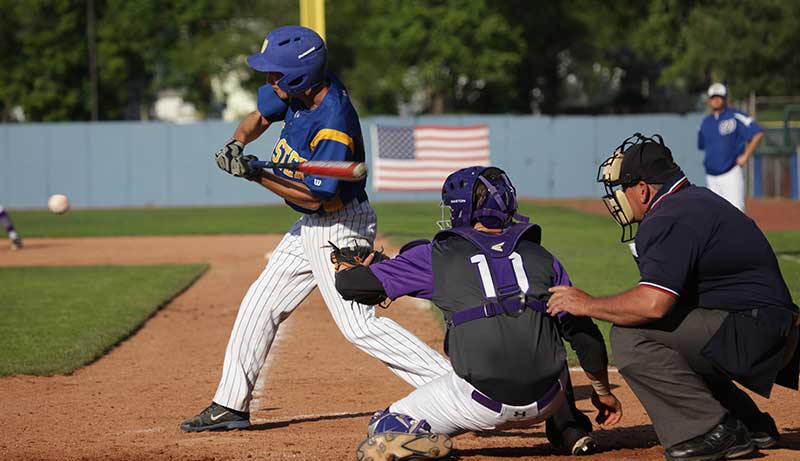
When you're just getting started, don't try to absorb everything at once. Focus on the fundamentals: hit the ball, run the bases, and field what comes your way. The rules that matter most at the beginner level are the ones that keep you from getting called out for something you didn't realize was a violation. Strategy can come later. Rule fluency has to come first.
Here's what to prioritize when you're starting out:
If you're filming your practices to review mechanics, a steady camera setup makes a meaningful difference. We covered some solid options in our guide to the best gimbals for the Sony A7III, which works well for sideline or dugout filming when you want stable footage of your swing or fielding form.
Once the basic rules feel natural, you start noticing the game beneath the game. Defensive shifts adjust based on a hitter's tendencies. Pitchers set up sequences over multiple at-bats to exploit specific weaknesses. Baserunners read a pitcher's pickoff delivery to time stolen base attempts. None of that is possible without a fluent understanding of the rules underneath it.
Advanced players also understand situational baseball: when to sacrifice bunt, when to execute a hit-and-run, when to intentionally walk a dangerous hitter to set up a force play. These decisions all flow directly from a deep familiarity with how the rules interact with each other. The more you play, the more you see how every rule creates both a constraint and an opportunity at the same time.
Your glove is your most personal piece of equipment, and it needs regular attention. New gloves are stiff and require a proper break-in period before they're ready for game use. Here's how to handle it correctly:
For any metal hardware on bat bags, helmet racks, or dugout storage units that see outdoor conditions season after season, a quality penetrating oil prevents rust and keeps hinges and clasps functioning. We covered several solid options in our best penetrating oils guide — useful for maintaining any outdoor sports gear exposed to rain and humidity over time.
Wood bats can crack or splinter when contact is made on the wrong part of the barrel, especially the handle. Composite and aluminum bats are more forgiving but still need regular inspection. Always check your bat for dents, cracks, or dead spots before a game. A cracked wood bat can shatter violently on contact — that's a safety issue, not just an equipment problem.
Cleats need consistent cleaning to maintain proper grip. Mud packed into the spikes reduces traction and throws off your footing at the plate and on the base paths. Keep a stiff-bristled brush in your bag and scrub the spikes after every game. Helmets should be wiped down after each use and inspected for visible cracks — a compromised helmet is not safe to wear regardless of how minor the damage looks.
If you're setting up a backyard practice space, keeping the surrounding turf in reasonable shape matters for safe footing during drills. A reliable, lightweight mower makes maintaining a home practice area significantly less tedious. Our lightweight lawnmower reviews cover options that handle sports turf and general yard upkeep without wearing you out before practice even starts.
The players who improve fastest aren't always the most naturally talented — they're the most consistent. These habits separate beginners who plateau from those who keep developing:
On game days, having the right setup for warmups and downtime between innings keeps energy up in the dugout. A portable Bluetooth speaker is a common piece of dugout gear. If yours stops cooperating, our guide on how to fix a Bluetooth speaker that won't charge covers the most common causes and straightforward fixes before you're stuck with silence.
Deliberate practice beats casual repetition every time. These drills target the specific skills that baseball rules actually demand in games:
If you're running an outdoor practice setup with powered equipment — pitching machines, electronic scoreboards, or field lighting — understanding your power options is worth a few minutes of research. Our look at the best solar charge controllers is relevant if you're powering gear at a field without a reliable electrical outlet nearby.
Mastering baseball rules for beginners also means understanding what everyone else on the field is supposed to be doing, not just your own position. When you know defensive responsibilities and base-running rules simultaneously, you make smarter decisions under pressure. You know when to cut off a relay throw and when to let it go through. You know which base to cover when the ball goes to a different side of the infield. That awareness only develops when you study the game actively alongside playing it.
For players on traveling teams hauling gear between fields, having the right vehicle setup matters. Whether you're comparing accessories for your truck or looking at winch options for a loaded cargo situation, we reviewed popular brands in our Superwinch vs. Warn comparison. And if your team uses a golf cart for field maintenance or equipment transport, reliable battery performance makes a real difference — our Crown vs. Trojan battery comparison breaks down which option holds up better under extended outdoor use.
A standard baseball team fields nine players at a time. Rosters at the professional level are larger — typically 26 active players — but only nine play defense in the field during any given inning. Youth and recreational leagues often allow flexible roster sizes depending on the organization's rules.
A strike is any pitch that passes through the strike zone — the rectangular space over home plate between the batter's knees and the midpoint of their torso — whether the batter swings or not. A ball is any pitch that misses the strike zone and is not swung at. Four balls in a single at-bat result in a walk to first base.
A standard nine-inning game at the professional level runs approximately three hours, though pace-of-play rule changes in recent years have brought that number down. Youth and recreational games are often shorter, and some leagues impose time limits per inning to keep games moving. Extra-inning games obviously run longer depending on how many additional frames are needed.
The infield fly rule automatically calls the batter out when there are runners on first and second base (or bases loaded) with fewer than two outs, and the batter hits a pop-up catchable by an infielder with ordinary effort. The rule exists to prevent fielders from intentionally dropping the ball to create an easy double or triple play.
Yes. If the catcher fails to cleanly catch a third strike and first base is unoccupied — or there are already two outs — the batter can attempt to run to first before being tagged or thrown out. This is called the uncaught third strike or dropped third strike rule, and many beginners don't realize they have the option to run.
If the score is tied after nine innings, the game continues into extra innings. Each additional inning follows the same format as a regular inning. Major League Baseball now starts extra innings with a runner already on second base to speed up resolution, but youth and recreational leagues vary — check your local rules before assuming extra-inning format.
At minimum, you need a glove, a bat, and a helmet. Cleats appropriate for the field surface you're playing on are strongly recommended. Most recreational leagues provide shared helmets and bats, so you may only need a personal glove to get started. As you play more, adding batting gloves, a batting helmet, and a catcher's equipment set (if you play that position) becomes worthwhile.


About Mike Constanza
For years, Mike had always told everyone "no other sport like baseball." True to his word, he keeps diligently collecting baseball-related stuff: cards, hats, jerseys, photos, signatures, hangers, shorts (you name it); especially anything related to the legendary player Jim Bouton.Mike honorably received Bachelor of Science degree in Business Administration from University of Phoenix. In his graduation speech, he went on and on about baseball... until his best friend, James, signaled him to shut it.He then worked for a domain registrar in Phoenix, AZ; speciallizng in auction services. One day at work, he saw the site JimBouton.com pop on the for-sale list. Mike held his breath until decided to blow all of his savings for it.Here we are; the site is where Mike expresses passion to the world. And certainly, he would try diversing it to various areas rather than just baseball.
You can get FREE Gifts. Or latest Free phones here.
Disable Ad block to reveal all the info. Once done, hit a button below
 im
im