What's the single best go kart engine you can buy in 2026 — and is it worth the premium over a budget clone? The short answer: the Honda GX200 still holds its ground as the gold standard, but a handful of strong competitors have closed the gap considerably. Whether you're building a backyard fun kart, upgrading a racing machine, or replacing a blown motor on a workhorse kart, the right engine makes or breaks the entire experience.
Go kart engines are not one-size-fits-all. A 5.5 HP Honda GX160 is perfect for a lightweight kid's kart, while an 18 HP Aceup Energy motor belongs on a purpose-built speed machine. Picking the wrong displacement — or the wrong brand — leaves money on the table and performance behind. The automotive aftermarket is flooded with clone engines, genuine Hondas, and everything in between. This guide cuts through the noise and tells you exactly which engine belongs on your build.
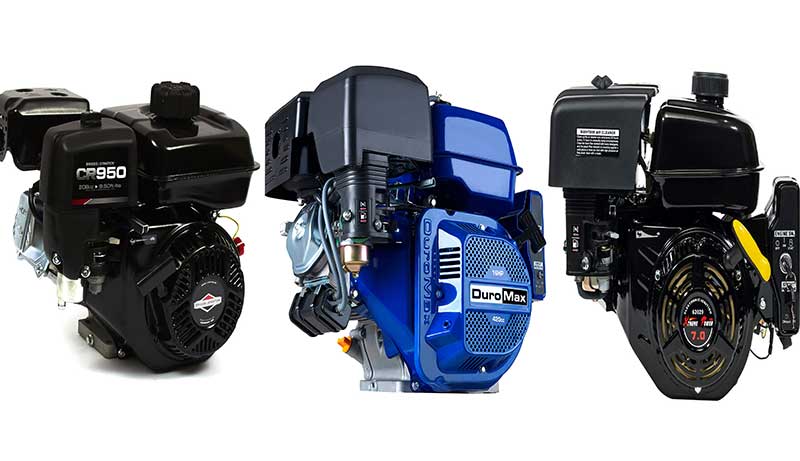
I've broken down the top four engines available right now, covering displacement, shaft specs, real-world performance, and value. You'll also find a full buying guide and answers to the questions most buyers get wrong. By the end of this post, you'll know exactly which engine to order — and why. Let's get into it.
Contents



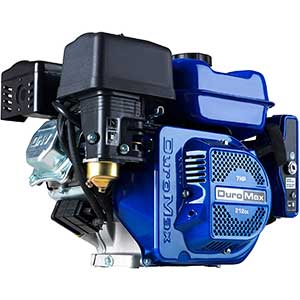
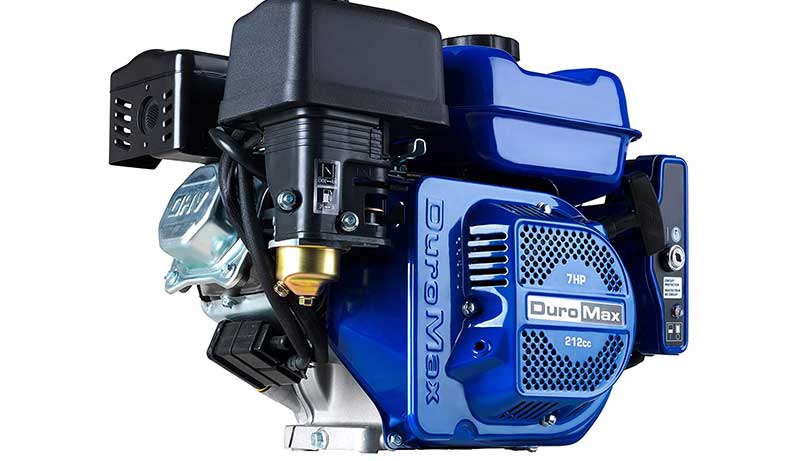
If you want a capable go kart engine without spending Honda money, the maXpeedingrods 7HP 212cc is the clone engine to beat in 2026. It's a 4-stroke OHV horizontal shaft motor built around a 70×55mm bore and stroke, displacing 212cc with a compression ratio of 8.5:1. The 3/4-inch shaft diameter is the standard "Predator 212" form factor, meaning it drops into an enormous range of kart frames, log splitters, compressors, and pressure washers without any adapter plates. The shaft is drilled and tapped 5/16"-24 at the end — a detail that matters when you're installing a clutch or torque converter.
Real-world performance is solid for the price point. The OHV design helps this engine breathe better than flathead alternatives, squeezing more usable power from each combustion cycle and lowering fuel consumption at the same time. The 3.6-liter fuel tank gives you a reasonable runtime between fill-ups, and the 0.6-liter oil capacity keeps lubrication manageable. It arrives EPA certified, which matters if you plan to run it in regulated environments or want reassurance about emissions compliance. Don't expect Honda-level fit and finish — the throttle linkage and governor may need slight adjustment out of the box — but for a clone engine, the tolerances are tighter than you'd expect at this price.
Where it excels is versatility. This engine isn't just for go karts. It runs lawn mowers, water pumps, and small generators without complaint. If you're building a budget kart for backyard use, weekend trail riding, or a first track machine, the maXpeedingrods 212cc punches well above its weight class. Just plan on a basic teardown and re-torque before your first hard run — that's true of any engine in this category. Pair it with a quality impact socket adapter set for your install and you'll thank yourself later.
Pros:
Cons:
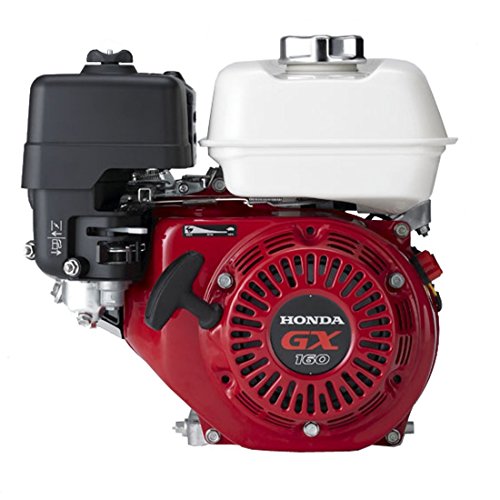
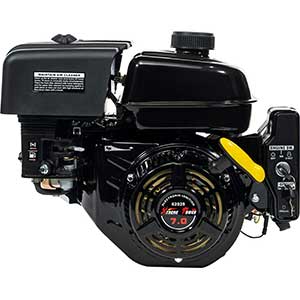
The Honda GX200 is the benchmark that every other engine in this category gets measured against — and in 2026 it's still the engine I'd recommend first. This is a 6.5 HP air-cooled 4-stroke OHV motor with a 68×54mm bore and stroke, displacing 196cc. The crankshaft measures 2.43 inches long with a 3/4-inch diameter — the exact dimensions that made this engine the most cloned small motor in history. Every aftermarket part, every clutch, every performance upgrade you can find was designed around this platform first.
Honda's build quality is genuinely in a different league. The machining tolerances are tighter, the carburetor is more precisely calibrated, and the overall assembly requires zero fiddling before first start. The GX200's governor system is smooth and responsive, and the OHV design delivers strong low-end torque — exactly what you want for a go kart application where you need crisp throttle response from a standing start. Reliability is legendary. These motors run for years with basic maintenance. There's a reason karting clubs, rental fleets, and professional race teams reach for the GX200 platform above everything else.
Yes, you pay a premium. The Honda GX200 costs significantly more than a 212cc clone engine. But when you factor in the saved time on adjustments, the long parts availability, and the resale value of a genuine Honda engine, the math works out in your favor over time. If you're building anything you intend to run hard and maintain for multiple seasons — a racing kart, a performance trail machine, or a kart that kids will use for years — this is the engine to buy. The clone market exists for a reason, but the GX200 earns its price tag every single time.
Pros:
Cons:
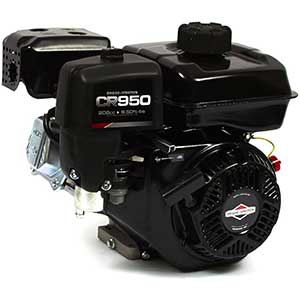
The Honda GX160 is the engine that built the sport of karting. At 5.5 HP, it's the smaller sibling to the GX200, and it remains the dominant choice for club racing classes, youth karts, and lightweight recreational machines. The GX160 runs at lower displacement than the GX200 — 163cc vs 196cc — but it carries all the same Honda engineering DNA: air-cooled 4-stroke OHV design, tight tolerances, and the reliability that Honda has built its small engine reputation on over decades.
For karting specifically, the GX160 has an enormous competitive advantage: it's class-legal in more sanctioned events than almost any other engine. If you're building a kart for organized competition at a local club or regional series, there's a strong chance the rules mandate a GX160-based class. The engine's predictable power delivery and sealed class configurations make racing fair and accessible. Even outside of racing, the GX160's lighter weight and lower power output make it the smarter choice for kids' karts and compact designs where a heavier, more powerful motor would overwhelm the chassis.
Don't dismiss this engine just because it's smaller. The GX160 is the entry point into a world-class parts ecosystem, and it responds extremely well to legal performance modifications when the rulebook allows it. Carb jets, air filters, exhaust pipes — the aftermarket for the GX160 is almost as rich as the GX200's. The go-kart world has standardized around this motor for good reason. If a 5.5 HP matches your weight and application, don't overspend on displacement you won't use.
Pros:
Cons:
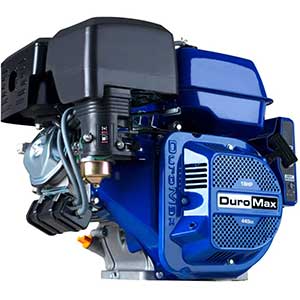
When you need serious power — and you know it — the Aceup Energy 18HP 459cc is the engine that changes the character of your build entirely. This is an 18 HP, 3600 RPM 4-stroke OHV air-cooled motor with a 1-inch diameter shaft, 3.48 inches long, end-tapped 3/8"-24 UNF with a 1/4-inch keyway. The 1.7-gallon fuel tank provides reasonable runtime, and the dual start system — both recoil and electric start — is a feature you'll genuinely appreciate after a long day of running. Reaching for a key instead of yanking a pull cord is a quality-of-life upgrade that sounds minor until you've done it a few hundred times.
At 459cc, this engine generates a power level that is completely transformative on a kart chassis. You'll need a frame and drivetrain rated to handle the output — running 18 HP through a lightweight recreational kart without appropriate reinforcement is how you create mechanical problems fast. This is the right motor for purpose-built speed karts, heavy-duty utility builds, or dual-purpose machines that need to haul real loads. It also serves as a crossover engine for log splitters, rotary tillers, pressure washers, and snowblowers when you're not running it on a kart.
The build quality is competitive for its class. The OHV design handles the thermal demands of higher displacement well, and the air-cooled system keeps things simple. Electric start is a genuine differentiator at this price tier — most competing 18 HP motors require additional wiring harness kits to add it. If you're stepping up from a 7 HP clone or a GX200 and want a noticeable power increase without jumping into full racing engine territory, the Aceup 18 HP hits that window cleanly. Just make sure your kart's chassis, brakes, and torque converter are rated for what this engine delivers — raw power without adequate hardware behind it is a safety issue, not just a performance one.
Pros:
Cons:
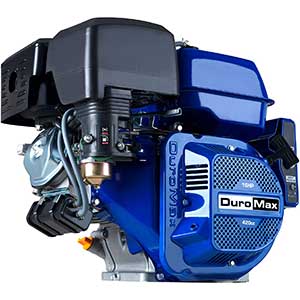
Buying the wrong engine is an expensive mistake. Before you add anything to your cart, you need to answer four questions: What HP range do you need? What shaft size does your drivetrain require? Are you prioritizing reliability or budget? And does the engine need to meet any class rules? Here's how to think through each one.
The single most important spec is whether the engine's horsepower matches your kart's weight and intended use. A 5.5–6.5 HP engine like the Honda GX160 or GX200 is the sweet spot for karts under 350 lbs combined (kart plus driver). Move to 7 HP — the maXpeedingrods territory — and you get noticeably better acceleration on the same chassis. Step up to 18 HP and you're in a completely different category that demands matching brakes, frame, and tires. More horsepower is not automatically better — an overpowered engine on an underprepared chassis is dangerous. Match the motor to the machine.
This is where beginners make the most expensive mistakes. Your clutch, torque converter, or drive sprocket has a bore that must match the engine's crankshaft diameter. The most common go kart shaft is 3/4 inch with a 3/16-inch keyway — and that's what the Honda GX160, GX200, and the maXpeedingrods 212cc all use. The Aceup Energy 18 HP steps up to a 1-inch shaft with a 1/4-inch keyway. Mixing these up means nothing fits. Before buying, measure your existing clutch bore or check the specs on the new clutch you're ordering. Shaft length also matters — 2.43 inches is standard on the Honda GX platform and most quality clones.
You're going to run into this debate on every karting forum and Facebook group. The honest answer is that both have their place. Genuine Honda engines — the GX160 and GX200 — offer measurably better build quality, tighter tolerances, and a reliability track record spanning decades. The aftermarket parts ecosystem for Honda is unmatched. Clone engines like the maXpeedingrods 212cc offer excellent value for recreational builds and projects where budget matters more than longevity. For racing applications or long-term use, buy the Honda. For a backyard project kart or a first build where you're still learning, a quality clone is a smart starting point. You can always upgrade later.
Most small go kart engines use a recoil pull start. It's simple, reliable, and adds zero electrical complexity to your build. But if you're running a higher-displacement engine like the Aceup 18 HP, electric start is worth having — particularly if the engine is mounted in a position where yanking a pull cord is awkward. On the emissions side, EPA certification matters if you plan to operate in states with stricter air quality regulations, or if you're running the engine in an enclosed space. The maXpeedingrods 212cc carries EPA certification, which is a genuine plus for a budget clone. Honda engines are certified globally. If you're also comparing kart builds to other gear-intensive builds — like reading about the best handlebars for a Street Glide — you already know that matching component specs to your application is the most important research you can do before you buy.
When you're outfitting a performance vehicle from scratch, every component matters — not just the engine. If you're also working through accessories and safety gear for your build, check out our guide to best ballistic helmets for high-impact protective gear. And for the right tools to complete the install, see our review of the best impact socket adapters that make engine work significantly easier.
The Honda GX200 6.5 HP is the best all-around choice for beginners. It starts easily, runs reliably, and has an enormous aftermarket for parts and support. If budget is the primary concern, the maXpeedingrods 7HP 212cc clone is a solid second choice that shares the same shaft dimensions and clutch compatibility, so you can upgrade later without rebuilding your drivetrain.
Not exactly. The Honda GX200 displaces 196cc — not 212cc. Clone engines in the "212cc" category are reverse-engineered from Honda's GX200 platform and share the same basic architecture, shaft diameter, and mounting pattern. The main differences are machining tolerances, carburetor quality, and long-term durability. For casual use, a 212cc clone performs similarly. For serious karting or long-term builds, the genuine Honda's superior build quality justifies the price difference.
For a single-seat adult recreational kart, 5.5–7 HP is plenty on a standard track. For competitive club racing, most classes run 5.5–6.5 HP within specific engine regulations. If you're building a performance kart for high-speed use with an adult driver, 7–18 HP gives you room to grow. Kids' karts and lightweight chassis work best with 5.5 HP or less to keep speeds manageable and safe.
The standard go kart engine shaft is 3/4 inch diameter with a 3/16-inch keyway. This fits the vast majority of go kart clutches, torque converters, and drive sprockets on the market. The Honda GX160, GX200, and most 212cc clones all use this spec. High-displacement engines like the Aceup 18 HP use a 1-inch shaft with a 1/4-inch keyway, which requires matching drivetrain components. Always confirm your clutch bore before ordering an engine.
Yes — all four engines reviewed here are horizontal-shaft multi-purpose motors. The maXpeedingrods 212cc, for example, works on log splitters, pressure washers, compressors, and lawn mowers in addition to go karts. The Honda GX160 and GX200 are widely used in pressure washers and water pumps. The Aceup 18 HP is explicitly marketed for log splitters, tillers, and snowblowers alongside karting use. These engines are generalist power plants, not kart-exclusive units.
Most small 4-stroke engines benefit from a proper break-in period. Start with two or three low-load run cycles of 20–30 minutes each, avoiding wide-open throttle. Change the oil after the first 5–10 hours of operation, as metal particles from the initial wear cycle contaminate the oil quickly. After break-in, run the engine through a wider RPM range. For clone engines specifically, re-torque the head bolts and check the valve lash before your first hard run — factory assembly torque specs are sometimes inconsistent on budget units.


About Lindsey Carter
Lindsey and Mike C. grew up in the same neighborhood. They also went to the same Cholla Middle School together. The two famillies from time to time got together for BBQ parties...Lindsey's family relocated to California after middle school. They occasiotnally emailed each other to update what's going on in their lives.She received Software Engineering degree from U.C. San Francisco. While looking for work, she was guided by Mike for an engineering position at the company Mike is working for. Upon passing the job interview, Lindsey was so happy as now she could finally be back to where she'd like to grow old with.Lindset occasionally guest posted for Mike, adding other flavors to the site while helping diverse his over-passion for baseball.
You can get FREE Gifts. Or latest Free phones here.
Disable Ad block to reveal all the info. Once done, hit a button below
 im
im